Commercial & Janitorial
Office Janitorial Cleaning St. Louis: Room Inventories and Shared Spaces
Build a room-by-room janitorial plan that separates occupied offices from shared spaces, matches frequencies to actual use and clarifies responsibilities before pricing.
office janitorial cleaning St. Louis: Room Inventories and Shared Spaces
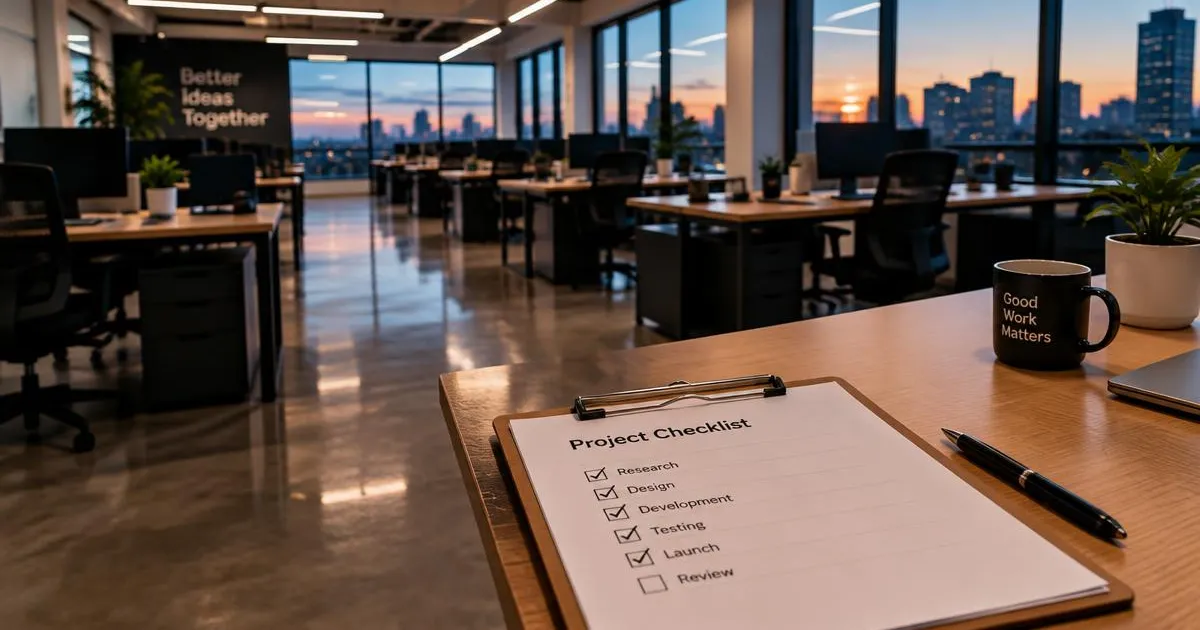
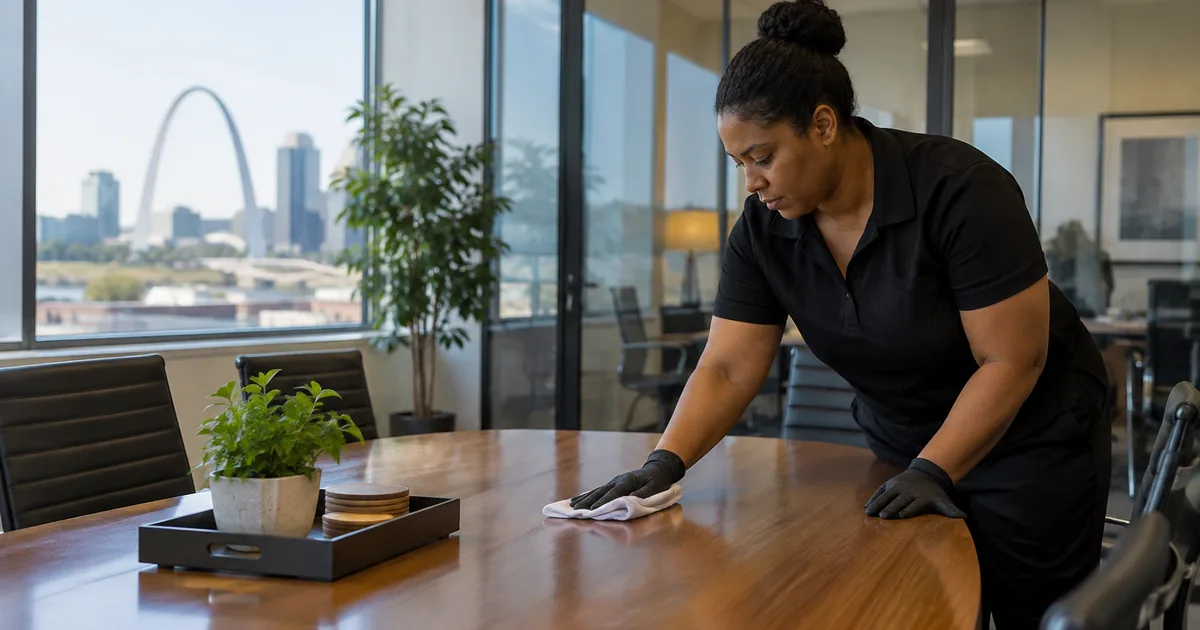
Planning office janitorial cleaning St. Louis starts with identifying what people actually use, not simply counting rooms. An occupied private office, an empty suite and a busy reception area create different cleaning needs. For Prime Cleaning MO LLC, a useful starting point is a room inventory that makes those differences visible before discussing service scope or pricing.
Walk through your office with a floor plan or spreadsheet. Give each room a recognizable name or number, then record its purpose, approximate size, flooring, occupancy pattern and access restrictions. Include corridors, storage rooms and small shared spaces that may otherwise disappear into a general description of the suite.
Separate assigned offices from common areas immediately. Record shared desks as their own category rather than treating them like private offices. For every space, ask who uses it, when it is available and which surfaces the cleaning team may touch. This inventory becomes a working planning document, not a promise that every possible task is included.
Distinguish occupied offices from common areas
Occupancy describes more than whether a room contains furniture. Note whether someone works there regularly, visits occasionally or shares it with rotating staff. A closed office awaiting a new employee should not automatically receive the same attention as an active workstation.
Occupied offices and assigned workstations
List permitted tasks separately from protected belongings. For example, a plan might include accessible floor care and waste removal while excluding paperwork, desk drawers and computer equipment. Ask whether staff will clear work surfaces before service. If not, define which exposed areas can be cleaned without moving documents or personal items.
Common areas and shared workstations
Reception, corridors, copy rooms and shared desks need decisions based on collective use. Identify touchpoints such as door handles and shared table surfaces, but avoid assuming every object needs disinfecting at every visit. A conference room used throughout the day may need more frequent attention than a private office occupied occasionally. Record those differences explicitly so the schedule follows use rather than room labels alone.
Explore our commercial & janitorial service and cleaning in St. Louis, MO for property-specific information.
Assign frequencies by task, not just by room
A room rarely needs every task at the same frequency. Build a schedule with separate entries for waste, accessible surfaces, floors and periodic detail work. Describe frequency in terms that match operations: each agreed service visit, on selected service days or after a defined event. Confirm the actual schedule during scope planning.
Consider two meeting rooms. One hosts occasional internal discussions; the other supports frequent presentations with refreshments. The second may need table cleaning and waste checks more often, while both may have similar periodic dusting needs. Likewise, an unused office may need occasional dust monitoring without routine empty-bin service.
Use triggers alongside scheduled work. Spills, overflowing waste or a heavily attended meeting may require attention between cleaning visits. Decide whether your staff handles those events or requests additional service. Ask who reports changes in occupancy and who approves schedule adjustments. A frequency plan works best when someone owns these decisions rather than assuming the cleaner will discover every change.
Give restrooms and breakrooms separate task lists
Restrooms and food-use spaces deserve their own inventory entries because their needs differ from ordinary offices. Record restroom count, fixture types, floor materials, waste containers and dispenser locations. Clarify whether replenishment is included, who supplies consumables and where supplies are stored. Cleaning and restocking are related responsibilities, but they should not be treated as interchangeable.
In the breakroom, distinguish counters, sinks, tables and appliance exteriors from appliance interiors and cabinet interiors. Identify whether employee food, dishes or personal containers must be removed first. Ask who empties the refrigerator and whether any equipment requires special access or manufacturer instructions before cleaning.
For deep cleaning, appliance interiors and inside cabinets are optional add-ons, not assumed inclusions. Move-In/Move-Out cleaning includes inside and outside cabinets and appliances. Those service distinctions should be confirmed in the written scope rather than inferred from the room name. If employees remain onsite, also identify a workable access arrangement for shared food-preparation areas.
Map floor types, touchpoints and safe surface care
Add material notes to the inventory before selecting methods. Distinguish carpet, resilient flooring, tile, natural stone and other surfaces wherever known. Record existing damage or uncertain finishes without promising restoration. When the material is unclear, ask the building representative for care instructions rather than guessing which product will be suitable.
Manufacturer-safe surface care should guide the plan. Never mix cleaners, and avoid acids on stone. Electronics, coated screens and specialty finishes need their own approved instructions; a product suitable for a counter may be unsuitable for nearby equipment. Identify what must remain untouched until those instructions are available.
Disinfect only when appropriate, using a product suitable for the surface and following its full label contact time. Do not treat a quick wipe as equivalent to completed disinfection. Separate routine soil removal from any agreed disinfection tasks in the inventory. Also identify concerns requiring separate assessment; do not assume ordinary janitorial service includes mold removal, hazardous waste handling or other hazardous work.
Define access, exclusions and service boundaries
A room inventory should show when work is possible, not just what needs cleaning. Record locked doors, alarm procedures, visitor restrictions and rooms unavailable during meetings. Name the person who can resolve access problems. For occupied offices, decide whether cleaners may enter while staff are working or should return during an agreed access window.
Separate regular janitorial tasks from project work. Interior windows are optional for all services except Airbnb turnovers. Specify which glass is being discussed, since interior windows, entrance glass and glass partitions are not necessarily the same scope item. High or difficult access also needs assessment rather than an assumption of inclusion.
Prime Cleaning MO LLC offers standard/recurring service only after an initial deep clean; it is not a one-time or first-time cleaning option. The first standard/recurring quote includes that initial deep clean. Confirm how this applies to the requested service during planning. Detailing beyond deep cleaning may take more than one day, so discuss priorities without assuming a single-visit completion.
Prepare for the required in-person walkthrough
Commercial and industrial cleaning, including commercial post-construction cleaning, requires a free in-person walkthrough before pricing from Prime Cleaning MO LLC. A room list helps prepare for that visit, but photos or square footage alone do not replace it. The walkthrough allows the proposed scope to account for access, materials, actual conditions and different patterns of room use.
When requesting the walkthrough, provide your business name, approximate square footage, restroom count, preferred date/time window and onsite contact. Share the exact St. Louis office address and any building entry instructions. Include the draft inventory and flag occupied rooms that may not be available during the visit.
Prepare specific questions: Which surfaces are accessible without moving belongings? Who supplies liners and restroom consumables? Are appliance interiors requested? Are there restricted areas or specialty materials? If construction recently occurred, describe the affected rooms and known debris. Hazardous work is never promised, and unfamiliar conditions require assessment rather than automatic inclusion in a cleaning quote.
Turn the inventory into a usable service agreement
After the walkthrough, organize the proposed scope into a room-by-task schedule. Each entry should identify the space, agreed task, frequency, access window and relevant exception. Keep optional work clearly separated from included work. This makes comparisons more useful than comparing two quotes that merely say office cleaning but describe different responsibilities.
Test the draft against ordinary situations. If a private office is locked, should the task be recorded as inaccessible? If a shared desk has confidential papers on it, which exposed surfaces remain permitted? If a meeting runs late, who decides whether the room can be serviced later? Agree on a practical communication method.
Assign one business contact to report occupancy changes and review scope questions with the cleaning provider. Revisit the inventory when rooms change purpose, staffing patterns shift or shared spaces become busier. A helpful plan remains specific enough to guide work while allowing agreed revisions, without presenting itself as a universal checklist for every office or condition.