Post-Construction
Post-Construction Cleaning Phases Explained
Post-construction cleaning works best when each phase follows the right construction milestone. Learn how rough cleanup, detailed cleaning, and a final touch-up fit together without confusing cleanup with repairs or hazardous-material work.
Why construction cleanup is divided into phases
Post-construction cleaning phases organize different kinds of work around a project’s progress. Early cleanup makes space for remaining trades, detailed cleaning removes accessible construction dust and residue, and a final touch-up prepares the finished space for use. The names are not universal contract terms. One contractor’s rough clean may include tasks another provider excludes, so define each phase in writing instead of relying on a label alone.
The sequence matters because ongoing work can undo completed cleaning. Sanding after a detailed clean deposits new dust, and a cabinet installation can leave fresh packaging, footprints, and residue. Ask the project manager which trades are finished, which are returning, and when the area can remain undisturbed. A cleaned room is not necessarily ready for occupancy if construction or safety issues remain unresolved.
For homeowners, the Post-Construction Cleaning page is the primary starting point for discussing a residential project. Share what was built or renovated, which rooms were affected, and whether the home remains occupied. A small bathroom renovation can still spread dust beyond the work area, while a larger project may have effective containment. The scope should reflect actual site conditions rather than only the square footage listed in the original building plans.
Phase one: rough cleanup and site organization
Rough cleanup generally happens after major debris-producing activities or between construction milestones. Its purpose is to remove agreed loose material and prepare accessible areas for the next stage. Depending on the contract, this may involve collecting light packaging, sweeping accessible floor areas, and removing ordinary construction litter. It does not automatically include demolition debris hauling, heavy lifting, or disposal of regulated materials.
Identify who owns each waste stream before work begins. The builder may retain responsibility for lumber offcuts, fixtures, pallets, sharp debris, and bulky packaging. If hauling is needed, arrange it explicitly rather than assuming a cleaning crew’s routine waste removal includes a truckload of material. Keep access routes open and confirm that the site has appropriate lighting and safe walking surfaces.
Rough cleanup is not the point to polish every surface to a move-in finish. Remaining trades may still create dust and marks, and some finishes may not be ready for cleaning. Ask the contractor which materials have cured and which protections should stay in place. The most useful outcome is a clearer, more manageable site with a documented list of what remains, not a promise that every construction trace has disappeared before the work itself is finished.
Explore our post-construction service and cleaning in St. Louis, MO for property-specific information.
Phase two: detailed cleaning after dusty work ends
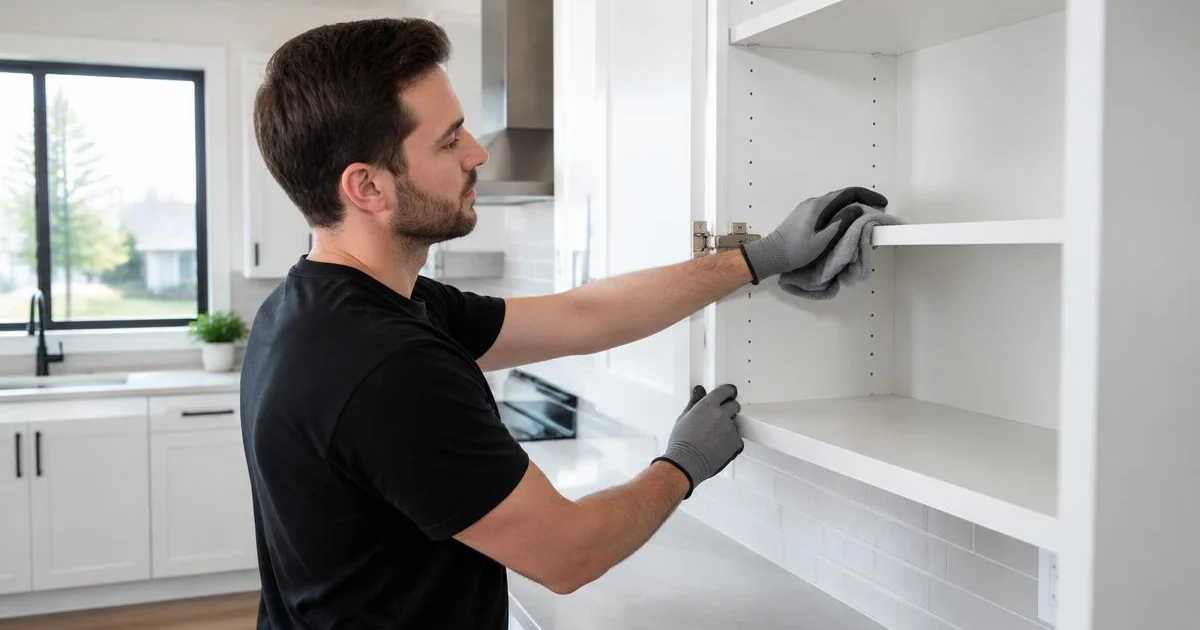
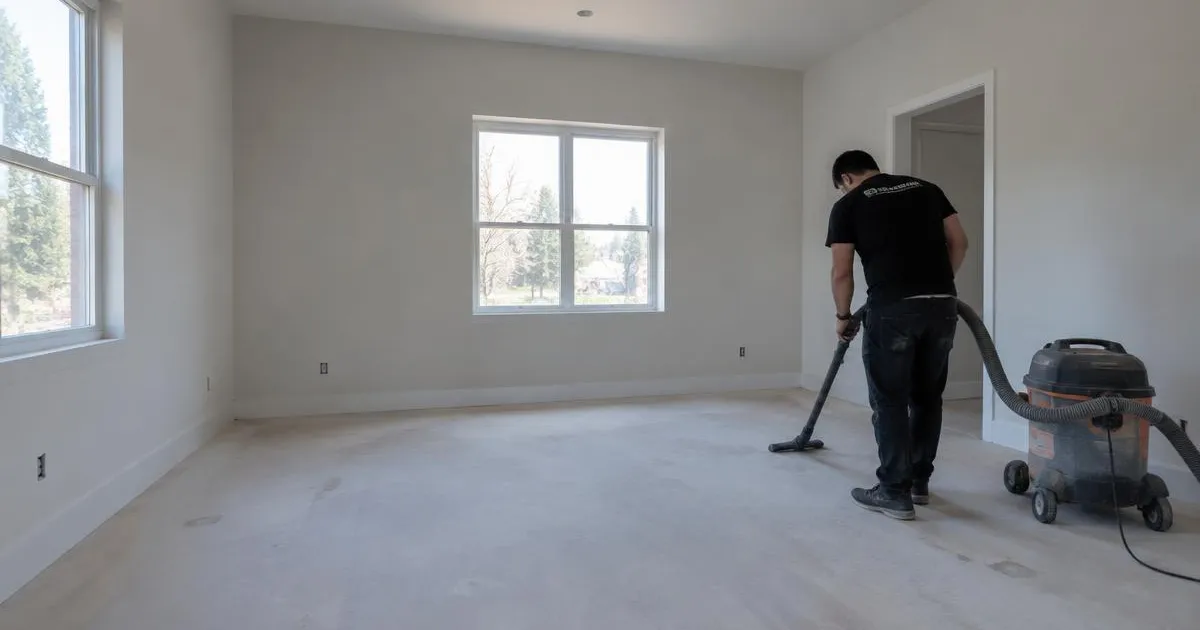
Detailed cleaning usually follows completion of major cutting, sanding, and installation work. Start by confirming that accessible surfaces are safe to clean and that contractors have removed the materials assigned to them. Walk each room to identify fine dust on trim, reachable ledges, shelves, cabinet surfaces, and fixtures. Construction dust can settle in places that were outside the most visible work zone.
Use methods and equipment appropriate for the dust and materials involved. Capture dust rather than repeatedly redistributing it with dry sweeping or vigorous dusting. Work from higher accessible surfaces toward lower ones, changing cloths and attending to tools as they load with debris. Never assume ordinary household equipment is suitable for every construction-related material, especially when the dust source is unknown.
The detailed phase should follow a room-by-room scope that lists cabinets, closets, fixtures, floors, and any agreed appliance surfaces. Cabinet interiors are easier to address before possessions are unpacked. Check whether shelf liners, protective coverings, or temporary labels may be removed, and by whom. Newly installed items can carry care instructions or warranties that restrict cleaning methods. A written scope plus manufacturer guidance reduces the temptation to scrape, soak, or polish a surface simply because a mark is visible.
Treat residue and new finishes cautiously
Fine dust is only one part of post-construction work. Paint flecks, adhesive residue, grout haze, and protective film need different decisions, and some should be handled by the installer. Ask what the residue is, what surface lies beneath it, and which removal method the manufacturer permits. Do not assume a blade, solvent, or abrasive pad is safe simply because it worked on another project.
New stone, coated metal, glass, wood, and resilient flooring can be damaged by the wrong product or too much moisture. Curing times also vary by material and installation product. The contractor or manufacturer should identify when a finish can be cleaned; the cleaning team should not invent a waiting period. If the surface is tacky, unstable, or visibly damaged, document the concern before proceeding.
Distinguish a cleaning issue from a construction defect. A scratch, uneven coating, grout problem, or broken seal will not be fixed by repeated wiping. Report it to the project contact and avoid attempts that could make later assessment harder. Test an approved method in an inconspicuous area when appropriate, and stop if it changes the finish. Clear limits protect the new work and help keep repair responsibility with the right party.
Phase three: final touch-up before handoff
The final phase addresses dust that has resettled and marks left by the last authorized visits. It is most useful when the project is otherwise complete, major materials are gone, and people are no longer cutting or sanding nearby. Even a carefully cleaned space can collect new footprints during an inspection or furniture delivery. Schedule the touch-up around those activities rather than calling every return visit a failure of the earlier clean.
A final pass can focus on accessible horizontal surfaces, visible fingerprints, fixture exteriors, and floors within the approved scope. Check corners, door edges, and transitions between rooms under normal lighting. The goal is a consistent finished presentation, not a guarantee that no microscopic dust remains. Avoid promising a dust-free building or an air-quality outcome based solely on surface cleaning.
Use the handoff to list anything that remains excluded, inaccessible, or awaiting a contractor’s response. If a cabinet was locked or a finish could not be touched, note it specifically. Confirm whether the quote includes one final visit or whether additional returns need separate approval. That detail matters when construction schedules shift, because a cleaning team cannot control how often other trades re-enter after the agreed completion date.
Separate routine dust from potential hazards
A renovation may involve materials that need assessment beyond general cleaning. Older coatings, suspect insulation, unusual powders, mold concerns, and dust from cutting certain building products should not be treated as ordinary household dirt without context. Tell the cleaning provider what work occurred and share relevant information from the contractor. If a hazard is suspected, pause affected work and seek an appropriate qualified assessment.
General post-construction cleaning is not asbestos abatement, lead-hazard control, mold remediation, or a certification of safe indoor air. It also does not replace contractor responsibilities for containment, dust control, or safe removal of hazardous materials. Do not ask a cleaner to vacuum an unidentified substance as a shortcut to deciding what it is. The correct equipment and procedures depend on the actual material and risk.
Discuss ventilation and heating or cooling systems with the contractor or an appropriate specialist. Surface cleaning does not automatically include duct cleaning, filter replacement, or opening mechanical equipment. Keep occupied areas separated as the project plan requires, and do not remove barriers without authorization. The safest cleaning plan begins with a site that has been declared ready for the agreed work by the responsible project contact, not with a crew guessing which construction controls may be dismantled.
Define add-ons, access, and return visits in the scope
A useful proposal identifies rooms, accessible surfaces, floor types, waste limits, and the number of visits. Include cabinet interiors, closets, and any special fixtures only when agreed. Interior window cleaning is an optional add-on for residential and commercial post-construction work. Give the provider window counts and access details, and disclose labels, paint, or residue rather than assuming every glass-cleaning request is ordinary washing.
The Add-On Services page helps frame optional work, but the actual project scope determines what is included. High-access surfaces, exterior areas, heavy hauling, and specialist restoration should not silently migrate into the cleaning checklist. Confirm who supplies water and electricity and who provides access when the owner or builder cannot be present. Safe access is a prerequisite, not a minor detail to solve on arrival.
Agree on a readiness check before the scheduled visit. If dusty work resumes or a trade needs another day, tell the cleaning team early so timing and return visits can be reviewed. Commercial post-construction pricing is provided only after a free in-person walkthrough. Residential projects also benefit from accurate photos and a detailed description, but photographs do not override newly discovered conditions or expand an agreed scope without discussion.
Plan the transition from project cleanup to upkeep
Before move-in, allow time to inspect cleaned rooms while they are still accessible. Walk the space with the project contact if possible and distinguish remaining contractor items from cleaning touch-ups. Move furniture and personal belongings in a deliberate order so boxes and delivery debris do not immediately cover finished floors. A short final checklist is easier to resolve than a broad complaint after every room is filled.
Once the project is complete, ongoing household cleaning becomes a separate planning question. Prime Cleaning MO LLC requires an initial deep clean before standard or recurring service. Do not assume a construction cleanup automatically satisfies that requirement; confirm how the completed work and remaining household needs fit the next service scope. Project dust removal and everyday maintenance have different starting conditions and task priorities.
Confirm the next step
Call (314) 274-6907 or use the Quote page with the address, project type, affected rooms, construction status, and desired handoff date. Refer to the Post-Construction Cleaning page for the primary service and Add-On Services for optional tasks. A clear plan does not need dramatic claims about making a building perfect. It needs the right sequence, safe conditions, appropriate methods, and an honest record of what each visit will accomplish.