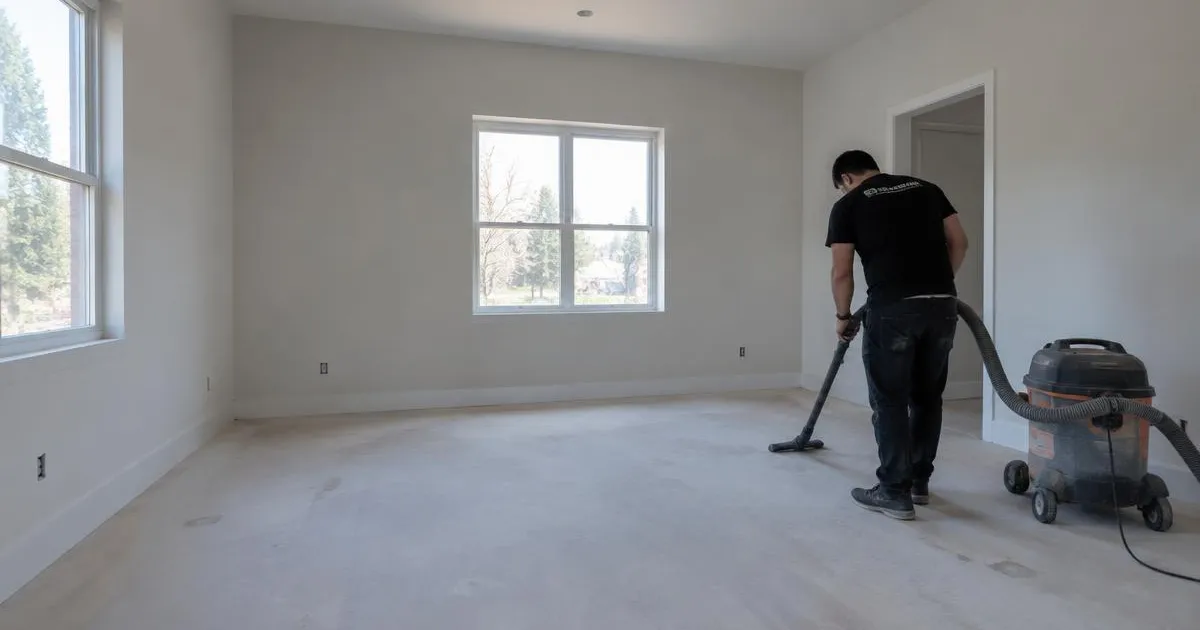
Post-Construction
Post Construction Cleaning St. Louis: Dust Versus Heavy Debris
A useful renovation-cleaning request starts with what remains: loose dust, bulky debris, or material that needs contractor assessment. Learn what to document before requesting a quote.
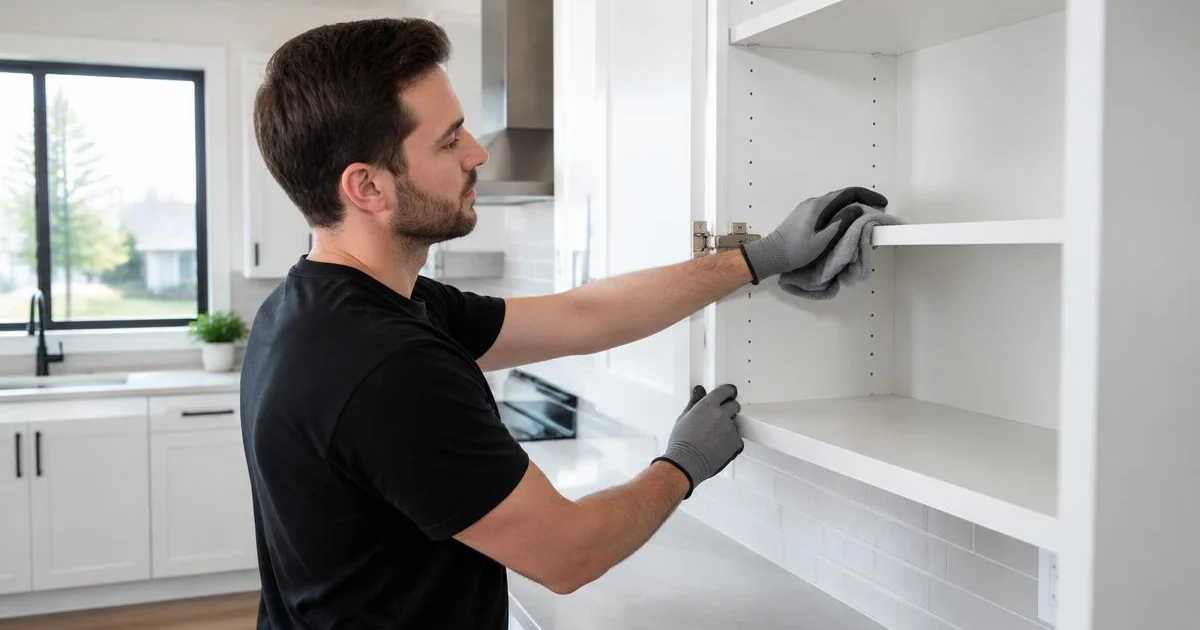
post construction cleaning St. Louis: Dust Versus Heavy Debris
Renovation cleanup becomes easier to plan when you describe what remains rather than simply asking for a final clean. If you are comparing post construction cleaning St. Louis options, first distinguish loose surface dust from heavy debris and material of uncertain origin. Those conditions require different decisions before anyone can estimate the cleaning work accurately.
For Prime Cleaning MO LLC, a useful residential intake begins with bedrooms, bathrooms, and condition: debris, dust, or more. Add which rooms were renovated and whether adjacent rooms collected dust. A bathroom remodel with dust in the hallway is different from a whole-home renovation with discarded flooring throughout.
Before requesting cleaning, ask three scope questions: What materials remain? Who is responsible for removing them? Can cleaners reach the surfaces without moving construction materials? Clear answers help separate ordinary cleaning tasks from contractor responsibilities and separately scoped hauling. They also prevent a room count from disguising a much larger cleanup problem.
Separate Loose Dust from Heavy Debris
Loose dust is settled residue on accessible floors, ledges, trim, and other surfaces. Its source still matters; a fine texture does not establish that a material is suitable for routine cleaning. Describe the work that produced it, such as cabinet installation or flooring replacement, rather than identifying it by appearance alone.
Heavy debris includes bulky offcuts, broken fixtures, piles of tile, discarded flooring, and similar construction remnants. Heavy debris removal and hauling must be scoped separately from surface cleaning. Do not assume that visible bags or a nearby dumpster mean removal is included or authorized.
When the Room Is Mostly Dust
For example, if cabinets are installed, tools are gone, and accessible surfaces have settled dust, document the affected areas and the contractor-confirmed dust source. This gives the cleaning team a useful basis for evaluating the remaining work.
When Construction Remnants Still Block the Room
If a bathroom contains broken tile and an old vanity, ask the contractor to identify its removal responsibility first. Confirm separately who handles any remaining debris, hauling, and disposal before planning the surface clean.
Explore our post-construction service and cleaning in St. Louis, MO for property-specific information.
Pause When Dust or Residue Is Unidentified
Unknown dust is not a reason to test a stronger cleaner or start sweeping. If you cannot establish the source, or suspect hazardous material, stop and request a qualified contractor assessment before cleaning proceeds. A photograph can show distribution, but it cannot establish whether dust is appropriate for routine cleaning.
Avoid disturbing suspect material while that assessment is pending. Do not use a household vacuum for construction dust or push residue into adjoining rooms. Ask the contractor what work generated the material and whether any assessment or specialist work is required before the cleaning scope can be accepted.
Prime Cleaning MO LLC should not be treated as a substitute for hazardous-material specialists. Asbestos, lead, silica, and mold concerns require qualified assessment rather than assumptions about cleaning coverage. Ordinary renovation cleaning does not establish occupancy safety, provide regulatory certification, or include hazardous waste handling. Resolve uncertainty before scheduling work around the affected material.
Confirm That Access and Construction Status Support Cleaning
A room can look finished while still being difficult to clean. Ask whether sanding, cutting, drilling, or installation will continue in the affected area. If dust-producing work remains, discuss whether cleaning should wait or be divided into clearly defined stages. Otherwise, newly settled residue can undo recently completed work.
Describe entry arrangements, parking or loading restrictions, stairs, elevator requirements, and the route from the entrance to the work area. Identify locked rooms and surfaces blocked by tools, furniture, or stored materials. Confirm working utilities and who can answer questions onsite. Do not assume cleaners will move heavy objects or construction equipment.
For a St. Louis residence with work on more than one floor, explain whether materials still travel through cleaned rooms. For a condominium, provide building access rules and any elevator reservation requirements. These details are more useful than simply saying the property is vacant. They help establish where cleaning can proceed without conflicting with ongoing work.
Match Surface Care to the Newly Installed Materials
New finishes need care based on their manufacturer’s instructions, not a generic renovation-cleaning recipe. Identify fresh paint, grout, sealants, coated floors, stone counters, and specialty fixtures. Share available product guidance and installation details so the team can determine whether the surfaces are ready for the proposed cleaning.
Follow manufacturer cure times rather than assuming a surface is ready because it feels dry. Cleaning should not become an attempt to repair scratched flooring, remove damaged finishes, or correct installation defects. Point out suspected defects before work begins and refer finish repairs to the appropriate contractor.
Never mix cleaners, and avoid acidic products on stone. Disinfect only when appropriate for the surface and situation, using a compatible product for its full label contact time. Paint specks, adhesive residue, and protective films also deserve separate discussion; removal methods can affect new finishes. Manufacturer-safe care and an agreed scope matter more than aggressive treatment intended to make every visible mark disappear.
Define Rooms, Reachable Surfaces, and Optional Add-Ons
List the renovated rooms, adjacent affected spaces, and surfaces you want evaluated. Mention ledges, trim, doors, floors, and accessible fixtures rather than requesting “everything.” Identify high or obstructed areas separately. Interior windows are an optional add-on for post-construction cleaning, not an automatic inclusion; request them explicitly if installation dust affected the glass.
Do not assume a deep clean includes appliance interiors or inside cabinets; those are optional add-ons. Move-In/Move-Out service includes inside and outside cabinets and appliances, but construction conditions still need to be disclosed. Choosing a service name does not eliminate the need to separate renovation dust from heavy debris.
If you want ongoing upkeep afterward, standard/recurring service is available only after an initial deep clean. The first standard/recurring quote includes that deep clean; standard cleaning is not a first-time or one-time substitute for renovation cleanup. Detailing beyond deep cleaning may take more than one day, so describe residue and access honestly rather than requesting an unsupported completion promise.
Prepare the Right Intake for Residential or Commercial Work
For a residential request, provide the bedroom count, bathroom count, and current condition: debris, dust, or more. Include the renovation type, affected rooms, remaining materials, access limitations, and desired date/time window. Photos can supplement those details, especially when one room is mostly clear but another still contains construction remnants.
Commercial/industrial cleaning and commercial post-construction cleaning require a free in-person walkthrough before pricing. Provide the business name, approximate square footage, restroom count, preferred date/time window, and onsite contact. Pictures and square footage help prepare for that visit, but they do not replace it.
During the walkthrough, identify occupied areas, active work zones, restricted access, and any materials awaiting contractor removal. Explain whether customers or staff will use adjoining spaces while work is planned. Hazardous work is never promised. The purpose is to establish an appropriate cleaning scope and identify unresolved conditions, not to price unknown debris or dust as if every commercial renovation leaves the same residue.
Use a Clear Handoff Before Work Begins
Before confirming the cleaning scope, summarize what the contractor will remove, what remains for evaluation, and which optional tasks you requested. Ask who will confirm that dust-producing work is finished and who can authorize changes if unexpected debris appears. Keep that contact information available for the cleaning visit.
A useful request might read: “Two bedrooms, one bathroom; bathroom renovation with contractor-confirmed dust on the hallway floor and trim. Broken tile and the old fixture will be removed by the contractor. Interior windows requested separately. Please evaluate the remaining surfaces after debris removal.” This describes decisions rather than implying universal coverage.
At handoff, review accessible areas against the agreed scope and distinguish remaining construction issues from cleaning tasks. Note surfaces awaiting cure, blocked areas, or unresolved residue. That record gives both parties a practical reference without promising dust-free results or treating cleaning as proof that the property is ready for occupancy.