Post-Construction
Post Construction Cleaning Affton: Care for New Floors
New flooring needs careful cleanup, not aggressive scraping. Learn how to scope renovation dust, debris, access, and surface restrictions before cleaning begins.

post construction cleaning Affton: Care for New Floors
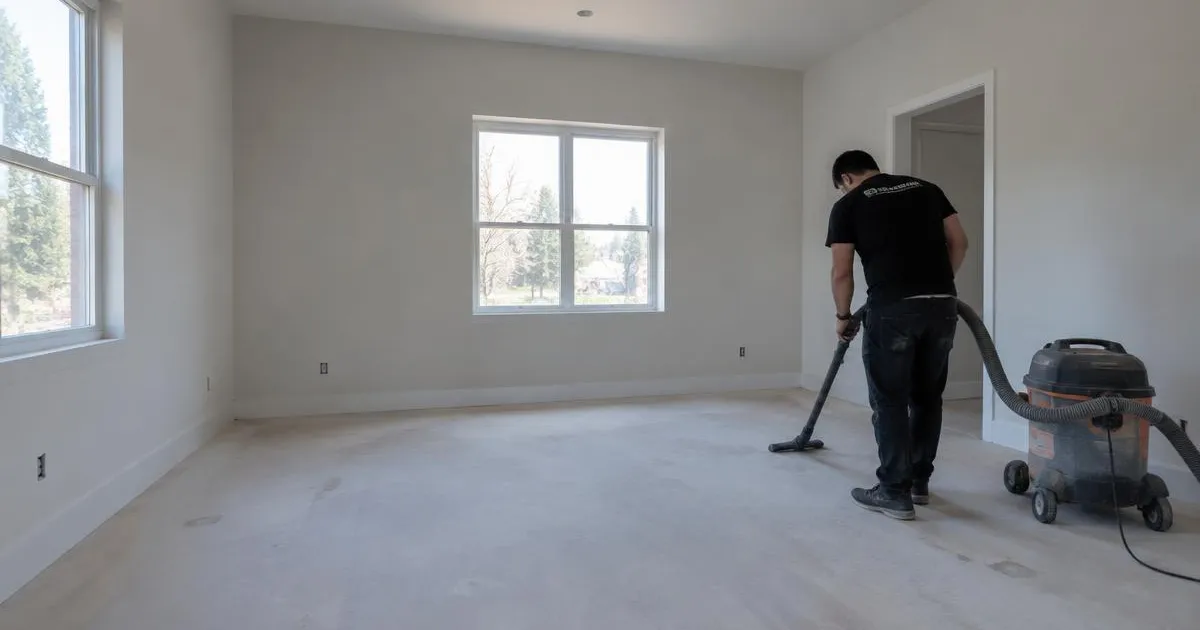
A renovation can leave a room looking finished while grit still sits along baseboards, beneath protective coverings, and beside doorways. When arranging post construction cleaning Affton, the first priority should be protecting newly installed floors—not removing every visible mark at any cost. Loose particles can scratch a finish when dragged under shoes, equipment, or a damp cleaning pad. A useful cleanup plan distinguishes removable dust from construction residue that needs the installer’s judgment.
For Prime Cleaning MO LLC, describe the floor materials, where work occurred, and whether contractors still need access. Identify any spaces that must remain closed because finishes or adhesives are curing. The goal is a clearly defined cleaning scope with sensible stopping points, rather than a promise that every renovation mark can be cleaned away. If flooring instructions are unavailable, request them from the installer before selecting a cleaning product or method. Keep that information available during the estimate and on cleaning day.
Separate loose debris from unknown dust before quoting
Residential intake should start with the number of bedrooms and bathrooms, then ask about condition: debris, dust, or more. Explain whether the project involved one bathroom, connected living areas, or most of the home. Photos can show distribution, but also describe what the images cannot reveal: loose nails, residue stuck to flooring, unfinished work, or restricted rooms.
Separate ordinary loose remnants from heavy debris and hauling. Large offcuts, tile piles, discarded fixtures, and contractor materials require their own scope; do not assume a cleaning quote includes loading or disposal. Ask the contractor to identify what will be removed before cleaners arrive. This prevents heavy materials from being dragged across a fresh floor during detailed cleaning.
Unknown dust is a stop-and-assess issue. If its source or composition is uncertain, pause work in the affected area and request assessment by a qualified contractor. Do not treat potentially hazardous dust as ordinary housekeeping or assume cleaning can establish that a space is safe to occupy.
Explore our post-construction service and cleaning in Affton, MO for property-specific information.
Confirm flooring instructions before touching residue
Collect the flooring manufacturer’s care instructions and ask the installer about cure restrictions for finishes, grout, adhesive, and sealant. Follow those instructions rather than choosing a waiting period from appearance alone. A surface that feels dry may still have restrictions on moisture, traffic, coverings, or cleaning products.
Identify the material and the finish
Record whether each area contains engineered wood, solid wood, laminate, resilient flooring, ceramic tile, or natural stone. Include the finish when known. Similar-looking floors may require different care. Ask which products are approved, whether damp cleaning is permitted, and how much moisture the joints can tolerate. Avoid acids on stone, and never mix cleaners.
Distinguish dirt from installation residue
Loose grit and tracked dust belong in a cleaning discussion. Hardened adhesive, paint droplets, grout film, or an unexplained dull patch may require installer guidance instead. Do not make abrasive scraping the default response. If an approved gentle method does not release a mark, stop and document it. Removing part of the finish is not a successful cleanup, and finish repairs are outside this cleaning scope.
Set access routes that keep grit off finished surfaces
Before work starts, agree on an entry point, equipment staging area, and route through the property. Choose a path that limits unnecessary crossings over new flooring. Ask whether stairs, narrow halls, or missing thresholds affect access. Equipment should have clean contact surfaces, and supplies should not be slid across the floor. Keep contractor storage separate from cleaned areas whenever possible.
Existing protective coverings need attention too. Ask who installed them, who will remove them, and whether their removal is permitted under the flooring instructions. Dust caught underneath can become abrasive when the covering shifts. Tape removal or residue should go back to the installer when compatibility is uncertain; cleaners should not improvise with solvents or scraping tools.
If workers will still be cutting, sanding, or carrying materials through a room, discuss postponing its final floor cleaning. For example, cleaning a hallway before cabinets are delivered may simply expose it to more grit and traffic. Sequence access around remaining work rather than repeatedly cleaning the same vulnerable route.
Use a controlled sequence instead of scrubbing harder
Once the dust has been identified as appropriate for the agreed cleaning scope, remove accessible loose soil before damp floor cleaning. Begin with permitted above-floor surfaces so falling dust does not immediately resettle on a finished floor. Work methodically through ledges, trim, and reachable edges without brushing grit onto unprotected adjoining surfaces.
Construction dust requires suitable professional equipment and filtration matched to the assessed material; a household vacuum is not an appropriate substitute. Keep attachments and contact surfaces clean, and use nonabrasive methods consistent with the floor instructions. Do not dry-drag gritty cloths or pads across the finish.
Change the method when the pad carries grit
Inspect cleaning pads during work and replace or clean them before trapped particles are spread farther. Use only the moisture level permitted for that floor. If a pass leaves streaks, inspect the pad, product, and remaining soil instead of applying more pressure. Disinfect only where appropriate for the surface and purpose, following the full label contact time without violating material-care restrictions.
Define room details and optional extras explicitly
A room-by-room scope should name accessible surfaces and exclusions rather than imply a universal checklist. Ask whether dust is inside open shelving, on cabinet faces, behind movable items, or above safely reachable trim. Specify who moves furniture and whether newly installed fixtures can be touched. Interior windows are an optional add-on for post-construction cleaning, not an automatic inclusion; identify the panes and any access limitations.
Do not assume renovation cleanup includes every task associated with another service. With a deep clean, appliance interiors and inside cabinets are optional add-ons. Move-In/Move-Out cleaning includes inside and outside cabinets and appliances. Choose the service and additions based on the actual condition, rather than expecting one label to cover renovation residue and all household cleaning.
For example, a kitchen may need floor-safe dust removal and cabinet exteriors while unopened appliances need no interior work. An emptied property may need a different scope. Detailing beyond a deep clean may take more than one day; discuss extent and access before committing to a schedule.
Prepare the right intake for residential or commercial work
For a residential inquiry, send the bedroom and bathroom counts, condition description, floor types, renovation areas, and requested access window. Note whether electricity, water, and permitted entry are available. Include remaining contractor visits and any floor-care documents. Useful scope questions include: Which rooms contain loose debris? Which marks have already been reviewed by the installer? Who can authorize stopping work if an unexpected residue appears?
Commercial and industrial cleaning, including commercial post-construction work, requires a free in-person walkthrough before pricing. Provide the business name, approximate square footage, restroom count, preferred date/time window, and onsite contact. The walkthrough should address entry, material staging, ongoing trades, floor restrictions, and separately scoped debris or hauling—not merely building size.
If you later want standard/recurring service, that begins only after an initial deep clean, and the first standard/recurring quote includes that deep clean. It is not a first-time or one-time service. Resolve renovation-specific needs separately so maintenance expectations are not confused with construction cleanup.
Review the floor without chasing every visible mark
At the final review, use ordinary room lighting and, where practical, look from different angles. Check entrances, edges, transitions, and the agreed accessible areas for remaining loose grit. Compare the work with the written scope. Separate a missed cleanable area from a preexisting scratch, installation residue, or a finish change that needs contractor review.
If a mark remains, record its location and what approved method was attempted. Ask the installer for the next step instead of escalating to abrasive pads, metal blades, stronger chemicals, or repeated wetting. This is particularly important where a small residue spot sits beside an otherwise intact new finish.
Before reopening traffic routes, confirm any continuing manufacturer restrictions and arrange for remaining trades to protect their access appropriately. Keep floor-care instructions with the property records. A helpful handoff explains what was cleaned, what was excluded, and what needs qualified assessment; it does not promise dust-free results or guaranteed occupancy safety.