Post-Construction
Post Construction Cleaning Chesterfield: Cleaning After the Trades Finish
A useful renovation cleanup plan starts with the work that is still unfinished. Learn how to coordinate trades, separate debris from detail cleaning, and protect cleaned rooms from returning dust.
post construction cleaning Chesterfield: Cleaning After the Trades Finish
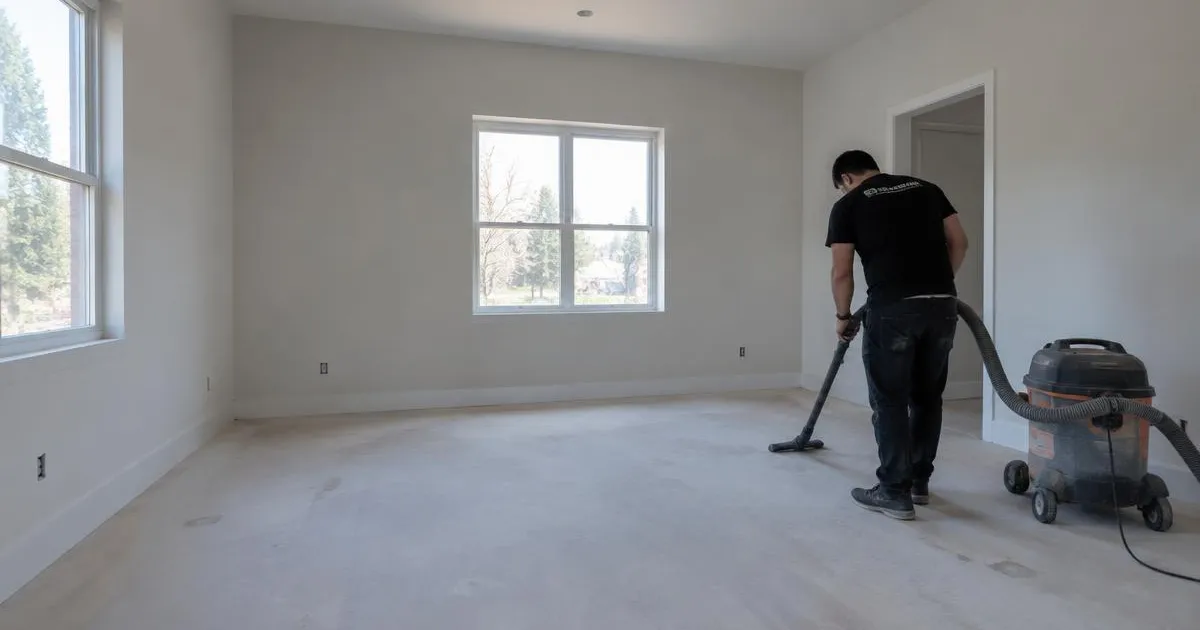
Renovation cleanup is frustrating when a room looks finished, then becomes dusty again after another contractor visit. Planning post construction cleaning Chesterfield homeowners can use starts with identifying what work remains, not choosing a cleaning date first. Prime Cleaning MO LLC needs to understand where dust originates, how workers move through the property, and which surfaces are ready for cleaning.
Think of cleanup as a handoff between construction activity and normal household use. Cutting, sanding, drilling, deliveries, and removal of protective materials can each undo detailed cleaning. The goal is to place cleaning after the relevant dust-producing work while leaving practical access for any remaining tasks.
Before requesting service, ask the project lead which rooms are actually finished, whether materials still need trimming, and whether workers must cross completed areas. If a bathroom is finished but hallway flooring still needs cutting, cleaning that bathroom may make sense only with an agreed separation and access plan.
Build the intake around rooms, condition, and remaining work
For residential construction intake, provide the number of bedrooms and bathrooms, then describe the condition: debris, dust, or more. Explain whether the renovation affected one room, several connected spaces, or the whole home. A bedroom count alone cannot show whether dust traveled into an adjoining closet or settled across an open living area.
Distinguish visible leftovers from fine residue. Packaging, loose offcuts, and discarded fixtures present a different scope from powder on baseboards and shelving. Share photos when useful, but also explain what they cannot show, such as whether the contractor plans another sanding pass.
Useful scope questions include: Is the home occupied? Which rooms remain accessible to workers? Are cabinets empty? Are any surfaces newly installed or coated? Does furniture need to stay in place? Identify delicate materials and areas excluded from service. These answers help establish a realistic cleaning scope rather than assuming every room needs the same treatment.
Explore our post-construction service and cleaning in Chesterfield, MO for property-specific information.
Set a clear handoff between trades and cleaners
Ask one project contact to confirm readiness with the trades. Separate tasks that generate dust from tasks that simply require access. A final measurement may have little impact; drilling cabinet hardware holes after nearby surfaces are cleaned creates fresh residue. Describe the task rather than labeling the visit a minor touch-up.
Before detailed cleaning begins
Confirm that planned cutting and sanding are finished in the cleaning zone, contractor tools are moved, and agreed debris removal is complete. Have the responsible installer explain which protective coverings can come off and who will remove them. Removing coverings after cleaning can release trapped grit onto finished floors.
When a trade must return
Identify the room, route, and exact work involved. If drilling or cutting remains necessary, defer final cleaning there or discuss a separately scoped follow-up. Do not assume a return visit includes another cleaning. Ask the contractor how the work area will be separated from completed rooms before scheduling the handoff.
Separate debris removal from surface cleaning
Construction debris should not disappear into a vague promise to clean everything. Heavy debris and hauling must be scoped separately from surface cleaning. Clarify who handles leftover flooring, broken fixtures, bulky packaging, fasteners, and other project waste before cleaners arrive. Confirm the removal route so those materials are not carried across freshly cleaned floors afterward.
For example, a kitchen with cleared counters and settled dust is different from a kitchen with stacked tile offcuts and a discarded sink. The second space needs a debris decision before detail work can proceed. Ask what remains, who owns it, and whether the contractor intends to reuse or collect it.
Do not disturb unidentified powders, suspicious insulation, or potentially hazardous residue to make the room look ready. Stop work in the affected area and request assessment by a qualified contractor. Ordinary post-construction cleaning is not a substitute for that assessment, and hazardous waste handling is not part of the promised scope.
Control access so cleaned spaces stay separated
Map the path from the entry to each unfinished area. Workers, residents, pets, deliveries, and stored materials can carry grit back through completed rooms. Agree on which entrance and route remain available, where tools will be staged, and which spaces should no longer serve as shortcuts.
If upstairs work continues while downstairs cleaning is planned, ask whether the staircase and entry can realistically stay clean. When everyone must use the same route, it may be better to clean that shared path last. A closed door helps define a boundary, but it does not guarantee that dust will stay contained.
Discuss ventilation and shared air concerns with the responsible contractor rather than assuming a cleaning visit addresses the building's air system. Duct cleaning is not included in this scope. Keep access arrangements practical: cleaners need authorized entry, available utilities, and clear permission to reach agreed surfaces without moving contractor equipment or disturbing unfinished work.
Clean in an order that limits redistribution
Once the area is ready, sequence accessible surfaces from higher to lower, leaving floors until overhead and surface work is finished. The agreed approach should capture dust rather than sweep it into the air. Do not use a household vacuum for construction dust; equipment and methods must suit the identified material and surface.
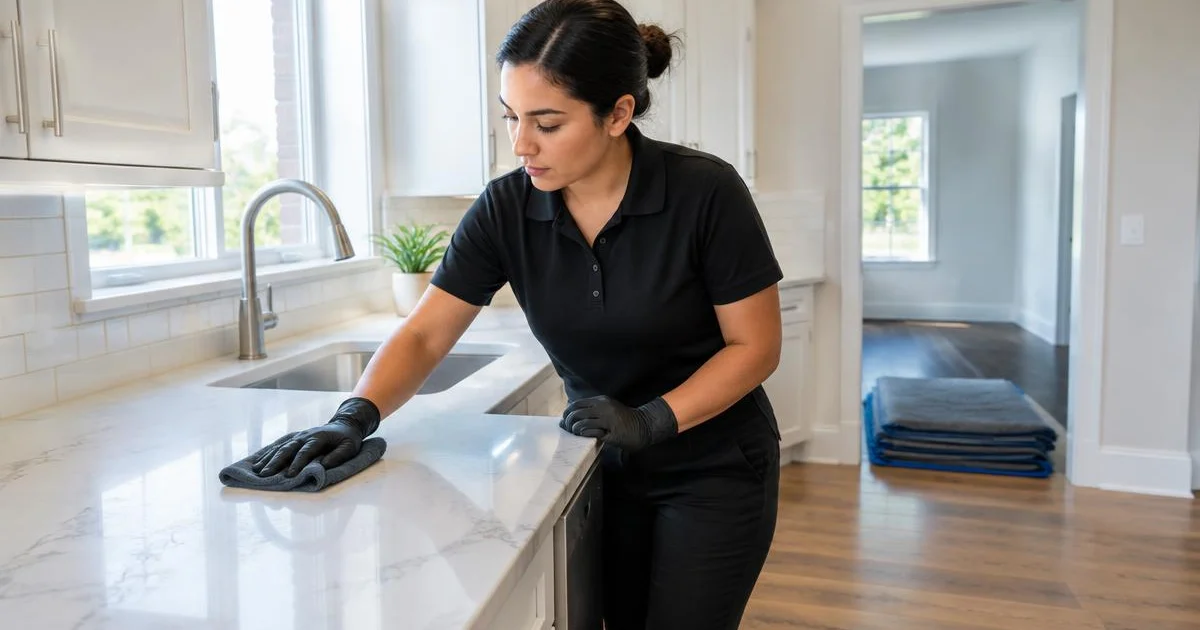
Use manufacturer-safe care for flooring, counters, fixtures, and cabinetry. Newly painted, sealed, grouted, or coated surfaces may not be ready for routine cleaning simply because they feel dry. Follow the manufacturer's cure times and care instructions, and ask the installer when the surface can be cleaned. Do not invent a waiting period.
Avoid acids on stone and never mix cleaners. Disinfect only where appropriate for the surface and intended use, following the full label contact time. Cleaning cannot repair scratches, remove every bonded construction residue, or correct installation defects. If a mark may require scraping or a specialist treatment, pause for clarification rather than risking the finish.
Define detail work and optional areas before approval
Write down the rooms and accessible surfaces included, then identify extras explicitly. Interior windows are an optional add-on for post-construction cleaning, not an automatic inclusion. Ask separately about glass, frames, tracks, and any adhesive or coating residue; these conditions may require different decisions about safe access and surface care.
Do not assume a deep-clean package includes appliance interiors or inside cabinets: those are optional add-ons for deep cleaning. Move-In/Move-Out service includes inside and outside cabinets and appliances, but construction residue still needs disclosure so the service matches the actual condition. A service label should not replace a renovation-specific scope discussion.
Extensive detailing beyond a deep clean may take more than one day. Request prioritization if rooms cannot all be released together. For ongoing upkeep afterward, standard/recurring service is available only after an initial deep clean, not as a first-time or one-time standard cleaning; the first standard/recurring quote includes that deep clean.
Confirm readiness before pricing and the final review
Before approving residential service, check that the room counts, condition, remaining trade work, access route, optional areas, and debris responsibilities match the current project. Report changes before cleaning begins. A newly added backsplash installation or another floor-sanding pass can change the sequence even when the original scope seemed settled.
Commercial post-construction and commercial/industrial cleaning require a free in-person walkthrough before pricing. Provide the business name, approximate square footage, restroom count, preferred date/time window, and onsite contact. The walkthrough allows access restrictions, active work areas, and cleaning requirements to be discussed without promising hazardous work.
At the final review, compare completed work with the agreed scope. Separate missed accessible dust from fresh residue caused by later activity, installation defects, and excluded areas. Record any follow-up responsibilities with the project contact. A well-organized handoff supports a cleaner result, but it is not a promise of dust-free conditions or a determination that occupancy is safe.