Post-Construction
Post Construction Cleaning Crestwood: After-Renovation Recurring Maintenance
Renovation cleanup and recurring housekeeping solve different problems. Learn how to scope construction residue, prepare access, and establish the initial deep-clean baseline before maintenance begins.

post construction cleaning Crestwood: After-Renovation Recurring Maintenance
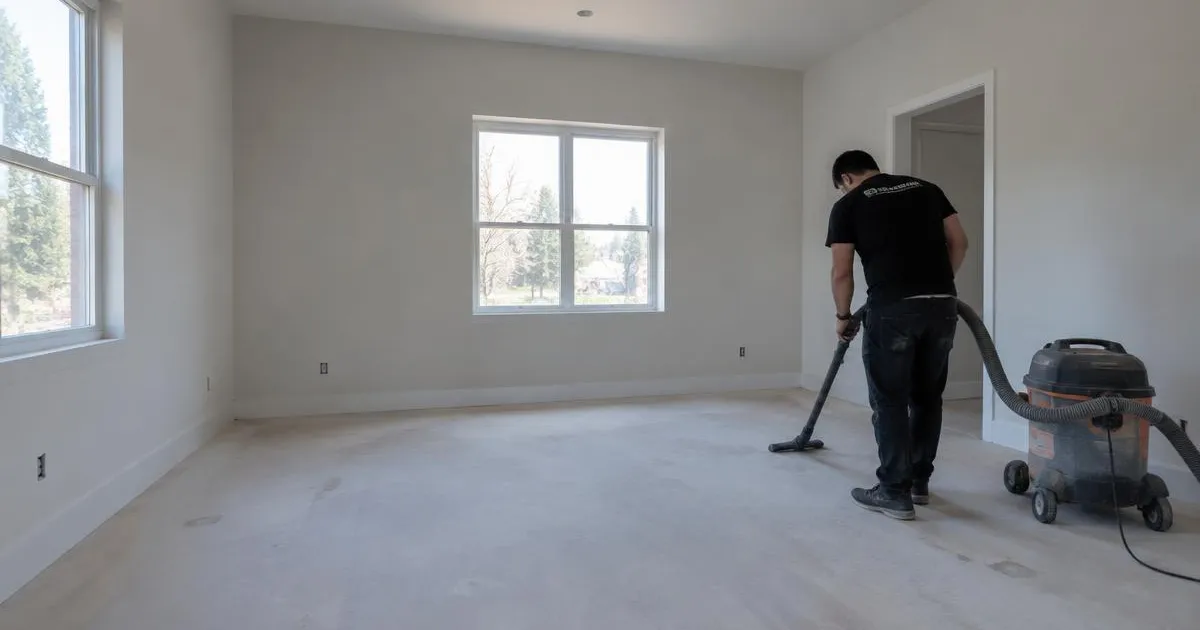
A renovation can look finished while still leaving fine residue on shelves, packaging beside new fixtures, and rooms blocked by tools. If you are arranging post construction cleaning Crestwood service, the key decision is not simply how often cleaners should visit. It is whether construction cleanup is ready to proceed, what belongs in that scope, and when an initial deep clean can establish the baseline required for recurring maintenance.
Prime Cleaning MO LLC treats those as separate planning questions. Standard or recurring cleaning is available only after an initial deep clean; it is not a first-time or one-time substitute for renovation cleanup. Your first standard or recurring quote includes that deep clean. Construction-related work must also be identified rather than assumed to fit within an ordinary housekeeping visit.
The practical sequence is to clarify remaining contractor work, separate debris from surface cleaning, resolve access limitations, and agree on the initial cleaning scope. Only then does a maintenance schedule become useful.
Start intake with bedrooms, bathrooms, and actual condition
For a residential request, provide the bedroom count, bathroom count, and current condition: debris, dust, or more. Explain what changed during the renovation and which rooms were affected. A bathroom replacement with a closed work area presents different questions from flooring work that carried residue through bedrooms, closets, and connecting hallways.
Useful scope questions include: Are workers still cutting, sanding, or installing? Is loose material limited to the work room? Are cabinets empty? Have protective coverings been released for removal by the contractor? Can cleaners reach the affected surfaces without moving construction equipment? Describe the condition rather than calling everything “light dust.”
Photos can help explain access and visible residue, but they do not identify unknown substances. Mention coatings, adhesives, newly installed surfaces, and any contractor instructions. If the dust source is unknown or potentially hazardous, stop planning cleaning in that area and request assessment by a qualified contractor before work proceeds.
Explore our post-construction service and cleaning in Crestwood, MO for property-specific information.
Separate loose debris from detailed surface cleaning
Debris removal and dust cleaning require different scope decisions. Describe discarded packaging, offcuts, broken materials, and piles separately from settled residue. Heavy debris and hauling must be scoped separately; do not assume a surface-cleaning appointment includes loading, transporting, or disposing of renovation waste.
Choose who clears the work area
Ask the renovation contractor what they will remove before cleaners arrive. For example, if a kitchen contains flooring boxes and leftover tile, arrange responsibility for those materials first. Cleaners need access to the floor and cabinet exteriors, not just a narrow path between piles. Identify materials the owner intends to keep so they are not mistaken for rubbish.
Identify what remains after debris leaves
Once larger materials are cleared, reassess shelves, trim, fixtures, and flooring for visible residue. Report paint splatter, adhesive deposits, or hardened material individually. These conditions require surface-specific evaluation and are not ordinary dusting. Cleaning does not include finish repairs, and aggressive scraping should never be assumed appropriate for a newly installed surface.
Make access and contractor readiness part of the plan
A room is not cleaning-ready simply because the installer has left for the afternoon. Confirm whether workers will return and whether their next tasks could create fresh dust. If sanding remains scheduled, cleaning nearby horizontal surfaces now may mean repeating work later. Discuss whether a limited cleaning area makes sense or whether the affected space should wait.
Arrange entry, a clear walking route, and access to the rooms included in the scope. Explain which spaces are occupied, where personal belongings remain, and whether pets need a separate area. Ask the contractor to address exposed sharp materials or unstable items rather than expecting cleaners to work around them.
For new grout, sealants, coatings, and finishes, follow manufacturer cure times and cleaning instructions. Do not substitute a guessed waiting period. If instructions are unavailable, obtain them from the installer before cleaning. Interior windows are an optional add-on for renovation cleanup, so identify glass, tracks, and accessibility when requesting that work.
Use a controlled approach to dust and surface care
Known, ordinary construction residue still deserves a deliberate approach. Discuss a method that limits redistribution, addresses reachable higher surfaces before lower ones, and uses equipment suitable for the identified residue. Do not use a household vacuum for construction dust. The cleaning method should match both the material present and the surface underneath.
Manufacturer-safe surface care matters especially when finishes are new. Avoid acids on stone, never mix cleaning products, and do not assume a strong cleaner is suitable for every mark. Disinfect only when appropriate for the surface and purpose, following the product’s full label contact time rather than treating a quick wipe as disinfection.
If unfamiliar dust, suspect material, or an unexplained deposit appears, stop work in that area and request a qualified contractor assessment. This cleaning scope does not promise hazardous-material remediation, hazardous waste handling, or duct cleaning. Describe residue around vents, but refer questions about material inside the system to the appropriate qualified professional.
Establish the initial deep-clean baseline before recurring visits
The transition to recurring service depends on condition, not on a renovation completion announcement. Before maintenance begins, the initial deep clean must establish an agreed baseline across the rooms included in service. Construction residue that remains outside the agreed scope should be discussed explicitly rather than silently carried into recurring visits.
Confirm what the first quote covers
Prime Cleaning MO LLC includes the initial deep clean in the first standard or recurring quote. Ask how separately scoped renovation cleanup relates to that visit and whether any construction-related conditions require additional work. Do not assume a limited post-construction appointment automatically satisfies the initial deep-clean requirement. Detailing beyond deep clean may take more than one day.
Distinguish optional interiors from move-related service
For a deep clean, appliance interiors and inside cabinets are optional add-ons. Move-In/Move-Out cleaning includes inside and outside cabinets and appliances. Choose the scope that matches the situation, not just the service name that sounds most thorough. Interior windows remain an optional add-on for these services.
Choose a maintenance start based on what happens next
Consider a household that renovated one bathroom but still has ordinary buildup elsewhere. Clearing that bathroom’s construction residue does not establish a whole-home maintenance baseline. The initial deep clean should cover the agreed recurring-service areas, while renovation-specific needs remain identified. Once that work is completed and conditions are suitable, recurring visits can address routine household cleaning.
Now consider a kitchen project with another round of dusty installation still ahead. Scheduling recurring maintenance as though the project were finished creates a scope mismatch. Tell the cleaning team about remaining work and decide whether to defer the affected area or request a clearly limited appointment. Standard cleaning cannot replace unfinished construction cleanup.
Before selecting frequency, discuss occupancy, room use, pets, and how quickly ordinary soil accumulates. Ask what happens if contractors return between visits. Newly introduced construction residue should trigger a scope review, not an expectation that the recurring appointment will absorb a different type of work.
Request a quote with the right site information
For residential renovation cleanup, send Prime Cleaning MO LLC the bedroom and bathroom counts, whether the condition involves debris, dust, or more, affected rooms, remaining contractor tasks, and access restrictions. Identify optional interiors or windows you want considered. State whether your goal is construction cleanup alone or an initial deep clean followed by recurring maintenance.
Commercial and industrial cleaning, including commercial post-construction, requires a free in-person walkthrough before pricing. Provide the business name, approximate square footage, restroom count, preferred date and time window, and onsite contact. The walkthrough allows discussion of work areas, access, remaining construction activity, and scope boundaries; hazardous work is never promised.
Before approving the plan, confirm who handles heavy debris and hauling, which surfaces are accessible and ready for cleaning, and what the initial deep clean includes. That clarity makes recurring service a maintenance arrangement rather than an attempt to finish unresolved renovation work.