Post-Construction
Post Construction Cleaning Fenton: Hauling and Cleanup Are Separate
Construction debris and settled dust need different plans. Learn what to separate, what to ask, and how to prepare access before requesting renovation cleanup.
post construction cleaning Fenton: Hauling and Cleanup Are Separate
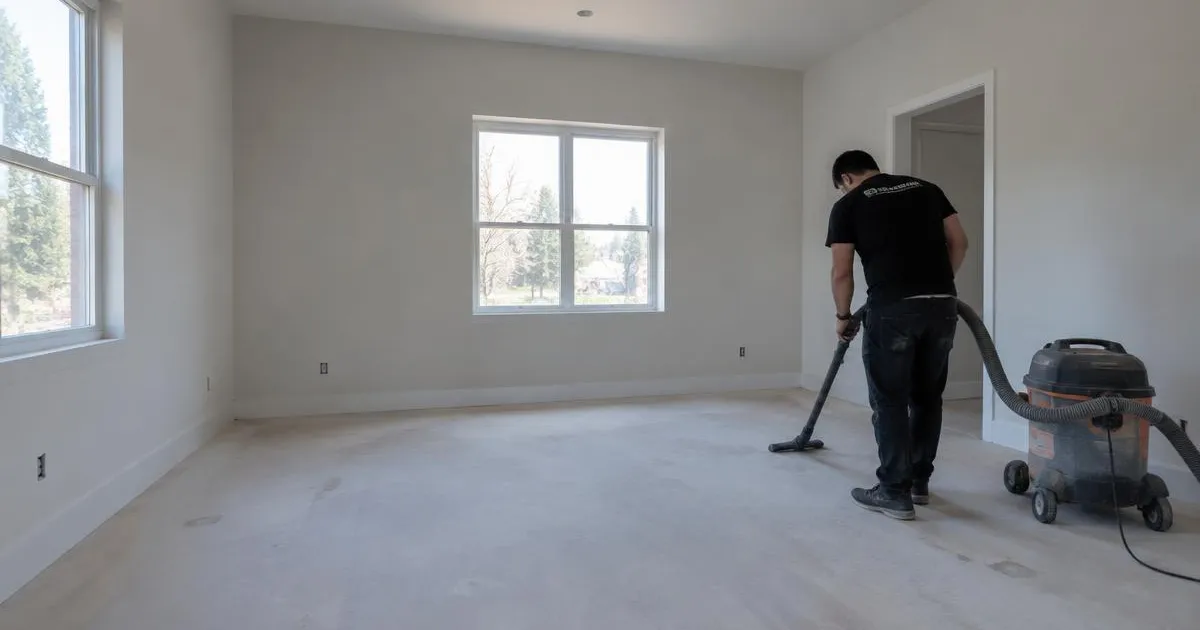
A search for post construction cleaning Fenton often starts with a room that looks nearly finished but still contains packaging, offcuts, and dust. Those conditions create two different jobs: removing unwanted material and cleaning the surfaces left behind. Treating them as one vague request can leave important work unassigned. For Prime Cleaning MO LLC, the useful starting point is a clear description of what remains, who owns its removal, and which areas can be accessed.
This guide focuses on separating debris and hauling from detailed cleaning. Before requesting a quote, identify the rooms involved, whether construction is still active, and anything blocking floors or fixtures. A finished bathroom with settled dust needs a different plan from a kitchen filled with discarded cabinets. Neither should be described simply as needing a quick clean.
Separate junk removal, heavy debris, and surface cleaning
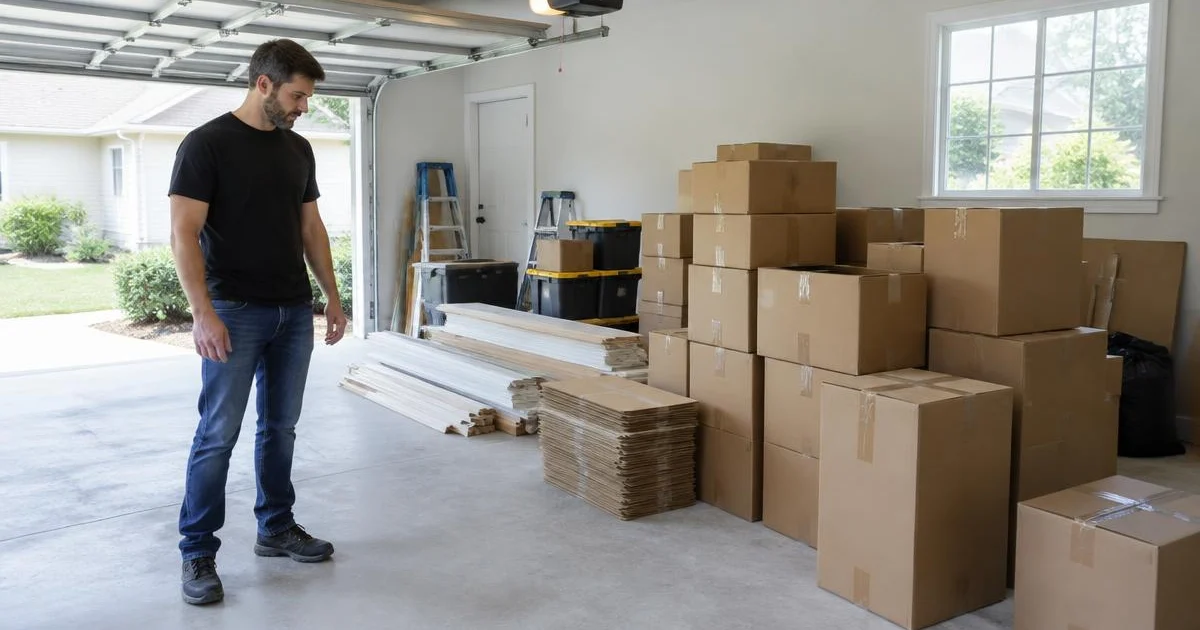
Heavy debris and hauling must be scoped separately from post-construction cleaning. Do not assume a cleaning quote includes carrying demolished cabinets downstairs, loading broken tile, or transporting waste. Even material already bagged can create a separate removal task when its weight, contents, or destination is unclear. Ask for the cleaning scope and any proposed removal scope to be identified separately so you can compare responsibilities rather than a single ambiguous total.
For example, flattened cardboard beside an accessible doorway is a different request from drywall pieces scattered through an upstairs room. Share photographs, describe the material, and explain where it sits. Photos help clarify the request, but they do not establish that unknown material is suitable for routine handling.
Questions that prevent debris surprises
Ask who removes demolition waste, whether leftover materials must be saved, and who supplies an approved disposal route. Confirm whether lifting, stairs, outdoor staging, loading, and transport are included in any separate hauling arrangement. Do not move unmarked containers or suspicious dust piles just to make the room photograph better.
Explore our post-construction service and cleaning in Fenton, MO for property-specific information.
Give residential intake the details that change the scope
Residential construction intake should include the number of bedrooms, the number of bathrooms, and the current condition: debris, dust, or more. Explain whether the project affected the whole home or only selected rooms. Include adjacent spaces where dust has settled, such as a hallway outside the work area. Distinguish rooms needing cleaning from rooms that are simply on the route inside.
Then describe the work that produced the mess, without guessing at material composition. Useful information includes cabinet installation, flooring work, painting, or tile work; whether contractors remain onsite; and whether furniture or personal belongings occupy the affected rooms. Identify available water and electricity, access restrictions, pets, and the person authorized to answer scope questions.
A practical request might say: two bedrooms, one bathroom, bathroom renovation only, settled dust in the hall, and old fixtures awaiting contractor pickup. That description makes the unresolved debris task visible before anyone assumes it belongs in the cleaning price.
Resolve access before scheduling detailed cleaning
Access affects both what can be cleaned and whether cleaning should begin. Walk the route from the entrance to each work area. Note stairs, narrow passages, locked rooms, stored materials, and protective coverings. Tell the cleaning team about parking or loading restrictions and whether another contractor controls entry. A clear route should not depend on cleaners relocating heavy construction materials that were never included in the scope.
Coordinate the sequence with your renovation contractor. Detailed cleaning is easier to define when dust-producing work has ended and debris removal is resolved. If sanding, cutting, or drilling continues nearby, ask whether the cleaning should be limited to a separate completed area or scheduled after that work finishes.
Check readiness without inventing a waiting period
Follow manufacturer cure times and the installer’s restrictions for coatings, grout, sealants, adhesives, and new flooring. Do not choose an arbitrary waiting period. If a surface is not ready for cleaning, exclude it until guidance is available. Extensive detailing beyond a deep clean may take more than one day; discuss the scope rather than assuming a single visit.
Identify dust before choosing a cleaning method
Construction dust should not automatically be treated like ordinary household dust. If its source or composition is unknown, or hazardous material is suspected, stop and request assessment by a qualified contractor before cleaning or disturbing it. Do not ask a routine cleaning crew to identify a powder by appearance, sweep it into the air, or proceed because the amount looks small.
Once the material is identified as suitable for routine cleaning, ask what equipment and surface methods are appropriate. Household vacuums should not be used for construction dust. Avoid casual dry sweeping that redistributes fine particles. The cleaning plan should address accessible surfaces systematically, with appropriate dust-capture equipment and controlled wiping rather than repeated spreading from one area to another.
Clarify boundaries around vents and concealed spaces. Cleaning an accessible exterior grille is not duct cleaning. Visible cleanliness also does not establish occupancy safety, air quality, or the absence of hazardous material. Those questions require the appropriate qualified professional, not reassurance based on appearance.
Protect new finishes and name optional work explicitly
New surfaces can be vulnerable to the wrong product, abrasive pad, or removal technique. Provide care instructions for installed materials and point out any existing marks before work begins. Cleaning should follow manufacturer-safe surface care. Never mix cleaners, and avoid acids on stone. Disinfect only when appropriate for the surface and purpose, following the product label’s full contact time.
Paint specks, adhesive residue, grout haze, and scratches need separate discussion. Do not assume every visible mark is removable soil. If removal could damage a finish or requires repair, pause for guidance from the installer or another qualified contractor rather than escalating to aggressive scraping or chemicals.
Interior windows are an optional add-on for post-construction cleaning, not an automatic inclusion. Specify glass, tracks, screens, and access needs instead of saying all windows. Appliance interiors and inside cabinets are also optional add-ons to deep cleaning. If requesting Move-In/Move-Out service instead, that service includes inside and outside cabinets and appliances; still disclose construction conditions and separately scope debris.
Use an onsite walkthrough for commercial construction
Commercial construction cleanup requires a free in-person walkthrough before pricing. Photos and a phone description can prepare the discussion, but they do not replace seeing the space. The same requirement applies to commercial and industrial cleaning requests. Provide the business name, approximate square footage, restroom count, preferred date and time window, and an onsite contact who can grant access and explain site restrictions.
During the walkthrough, distinguish construction waste from business inventory, fixtures being retained, and ordinary trash. Identify who controls loading areas, whether occupied sections must remain accessible, and which trades are still working. Explain any restricted rooms or operational conditions that affect entry.
Ask for heavy debris, junk removal, and hauling to remain separate scope items rather than disappearing into a general cleaning description. Commercial access does not make hazardous work routine: unknown dust or suspected hazardous material still calls for a stop and qualified contractor assessment before affected work proceeds.
Confirm responsibilities before approving the quote
Review the proposed scope by area and task. It should distinguish accessible surface cleaning from optional details, identify exclusions, and explain which debris must be removed before cleaning starts. Confirm who handles entry, authorizes changes, and answers questions about new finishes. If the actual condition differs from the description, discuss the revised scope before additional work begins.
Use a final decision check: can the cleaning team reach the surfaces, are materials identified, have cure restrictions been resolved, and is someone assigned to the remaining waste? If the answer is no, resolve that dependency instead of asking cleaning to compensate for unfinished construction. For ongoing care afterward, standard or recurring service starts only after an initial deep clean, and the first standard or recurring quote includes that deep clean.