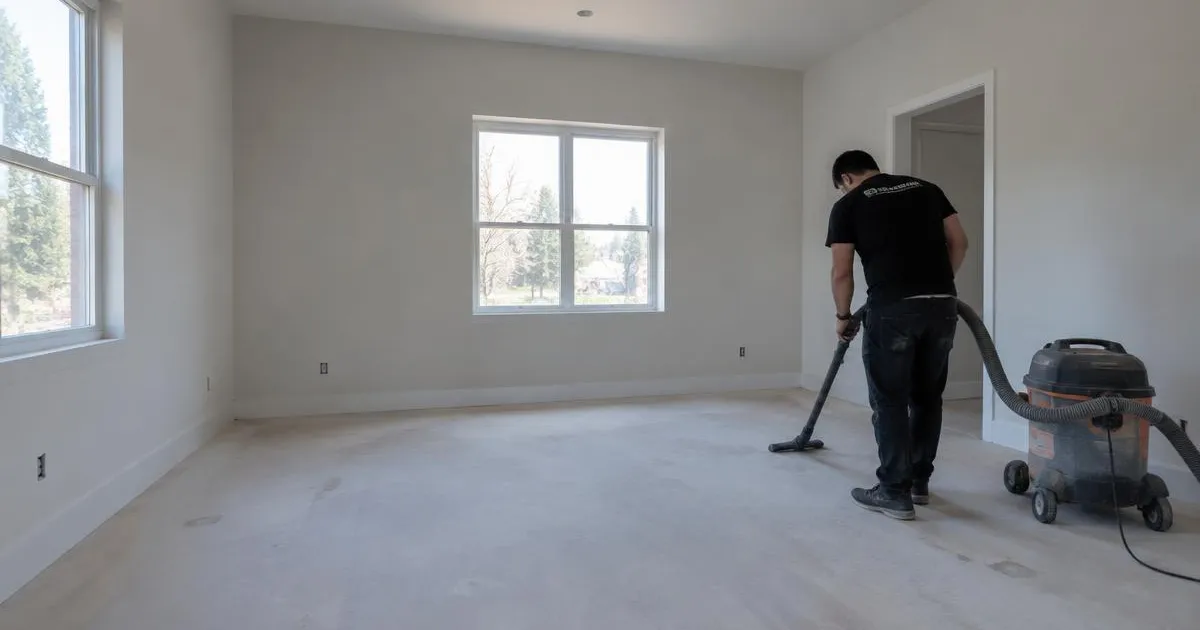
Post-Construction
Post Construction Cleaning Kirkwood: Protecting Newly Installed Cabinets
Fresh cabinets need more than a quick wipe after renovation. Define dust conditions, verify finish cure instructions, and separate cleaning from contractor work before scheduling.

post construction cleaning Kirkwood: Protecting Newly Installed Cabinets
A renovation can look nearly finished while fine dust still rests on cabinet doors, hardware, shelves, and nearby floors. When planning post construction cleaning Kirkwood, the central question is not simply how much cleaning is needed. It is which surfaces can be cleaned now without disturbing a newly applied finish, adhesive, or sealant. Prime Cleaning MO LLC approaches the scope by separating ordinary construction residue from contractor responsibilities and identifying restrictions before work begins.
Start with the renovation footprint: a kitchen replacement, bathroom update, or several connected rooms. Then identify areas where dust traveled through open doors or foot traffic. A new kitchen beside an occupied living room needs different access planning from an empty house. Tell the team whether installers are finished, whether anyone is still sanding or drilling, and whether manufacturer care documents are available. Those details help define a practical cleaning scope without treating every newly installed material the same way.
Collect the details that determine the residential scope
Residential construction intake should include bedroom count, bathroom count, and the condition of the property: debris, dust, or more. Explain what “more” means rather than relying on a broad description such as messy. Examples include adhesive residue on cabinet faces, protective film still attached to panels, packed drawers, or dust in rooms outside the work zone. Share photos when useful, but do not use photos as a substitute for identifying unknown materials.
Ask yourself three scope questions before requesting an estimate. Which rooms need attention? Which surfaces are newly installed or refinished? What must the contractor finish before cleaners can enter? Also distinguish light, loose residue from heavy debris. Broken tile, lumber, drywall pieces, and bulky packaging require separate discussion; heavy debris removal and hauling are not assumed parts of surface cleaning. If the work includes areas beyond the renovation, name them explicitly so access, labor, and service boundaries can be reviewed together.
Explore our post-construction service and cleaning in Kirkwood, MO for property-specific information.
Verify cabinet care instructions before touching the finish
Freshly installed cabinets may combine painted doors, wood veneer, laminate interiors, metal pulls, and glass inserts. Those materials can have different care requirements, even within one cabinet run. Request the cabinet manufacturer's cleaning instructions and ask the installer whether any touch-up coating, caulk, adhesive, or other product was applied onsite. Installation completion does not establish that every product has cured.
Separate installation dates from cure requirements
Record the product used, where it was applied, and the manufacturer's cure instructions. Follow those instructions rather than inventing a waiting period or assuming that dry-to-touch means ready for damp wiping. If the coating or application date is unknown, ask the installer to clarify before cleaning that surface. An unresolved restriction may mean excluding the affected area until guidance is available.
Choose a method the surface can tolerate
Use manufacturer-safe surface care, including any limits on moisture, cleaner chemistry, or abrasion. Avoid soaking seams, spraying directly into hardware, or scrubbing an unidentified spot. A small test area may help check compatibility when the instructions permit it, but testing does not override cure requirements.
Assess dust before deciding how to remove it
Dust from renovation is not automatically ordinary household dust. Ask the contractor what materials were cut, sanded, drilled, or removed and whether any assessment is needed before cleaning. If dust is unknown or potentially hazardous, stop and request assessment by a qualified contractor before proceeding. Do not try to solve uncertainty by wiping it up, sweeping it around, or using a household vacuum.
For identified, nonhazardous construction residue within the agreed scope, discuss equipment and methods suited to the material and surface. Loose particles generally need controlled removal before damp detailing so grit is not dragged across cabinet fronts. Keep used tools and cloths from transferring residue onto already cleaned finishes. Start with accessible higher surfaces and work toward lower ones, adjusting the sequence for cabinet care restrictions. If active sanding resumes, reassess the cleaning plan rather than promising a dust-free result. New work can deposit residue on surfaces that have already been addressed.
Set cabinet boundaries before detailing begins
New cabinets create several separate decisions: exterior faces, open shelving, drawer boxes, cabinet interiors, and hardware. For post-construction work, specify which of those areas need cleaning and whether they are empty and accessible. Do not assume an appliance or cabinet interior is included because it sits inside the renovated room. Report adhesive spots and installation marks in advance; some require installer guidance rather than more aggressive cleaning.
Distinguish cleaning from finish correction
A dusty door and a scratched door need different responses. Cleaning can address agreed residue using compatible methods, but it is not finish repair. If a mark persists or the finish starts changing, stop and refer the issue to the installer. Avoid scraping, polishing, or solvent experiments on an unfamiliar coating.
Match interior work to the selected service
With a deep clean, appliance interiors and inside cabinets are optional add-ons. Move-In/Move-Out service includes inside and outside cabinets and appliances. State the service you need, then confirm how any construction residue changes its scope. Interior windows are optional add-ons for post-construction cleaning, not automatic inclusions.
Arrange access without putting new surfaces at risk
A workable access plan protects both the cleaning route and the finished areas. Identify the entry door, parking or unloading restrictions, stairs, working water access, and where equipment may be placed. Ask the installer which protective coverings should remain and who will remove them. Do not pull tape or film from a new finish without guidance, particularly when it crosses a fresh coating or delicate edge.
For an occupied home, clear a route that does not require shifting tools across a new counter or stacking belongings against cabinet doors. Empty any interiors included in the scope, or discuss handling limitations beforehand. Keep children and pets away from the work area and maintain access to needed exits. For example, if cabinet installers still need to adjust doors, it may make sense to leave final cabinet detailing until that work is done while considering other ready areas separately. More extensive detailing beyond a deep clean may take more than one day. Coordinate access accordingly rather than treating every project as a single visit.
Coordinate the cleaning sequence and final review
Before cleaning starts, confirm that heavy debris has been addressed under its separate scope and that remaining work will not immediately recoat finished surfaces. Agree on which areas are ready, which are restricted by cure instructions, and which need contractor attention. This is especially useful when cabinet finishes are ready for gentle care but nearby sealant is not.
During detailing, use products according to their labels and surface instructions. Never mix cleaners. Avoid acidic products on stone, and disinfect only when appropriate, observing the full label contact time and material compatibility. Construction residue does not make every surface a candidate for disinfectant. At the final review, distinguish remaining dust from defects such as chips, uneven coating, or hardened adhesive that needs installer assessment. Note inaccessible areas and any surfaces intentionally left untouched. That review documents the agreed work; it does not certify occupancy safety or replace inspections, contractor signoff, or manufacturer guidance.
Request a quote that reflects the actual project
For a Kirkwood residential inquiry, provide bedrooms, bathrooms, the renovation footprint, current condition, access details, and known finish restrictions. Explain whether the request concerns construction cleanup alone or also involves a move. Mention optional interior windows and any desired cabinet or appliance interior work so the team can clarify the correct service scope.
Commercial and industrial cleaning, including commercial post-construction work, requires a free in-person walkthrough before pricing. Provide the business name, approximate square footage, restroom count, preferred date and time window, and onsite contact. Use the walkthrough to identify active trades, access restrictions, debris responsibilities, and finish documentation. Hazardous work is not promised. If you later want standard or recurring residential cleaning, that service begins only after an initial deep clean; the first standard or recurring quote includes that deep clean. It is not a first-time or one-time substitute for construction cleanup. Share your priorities with Prime Cleaning MO LLC so the proposed work addresses the actual condition rather than an assumed checklist.