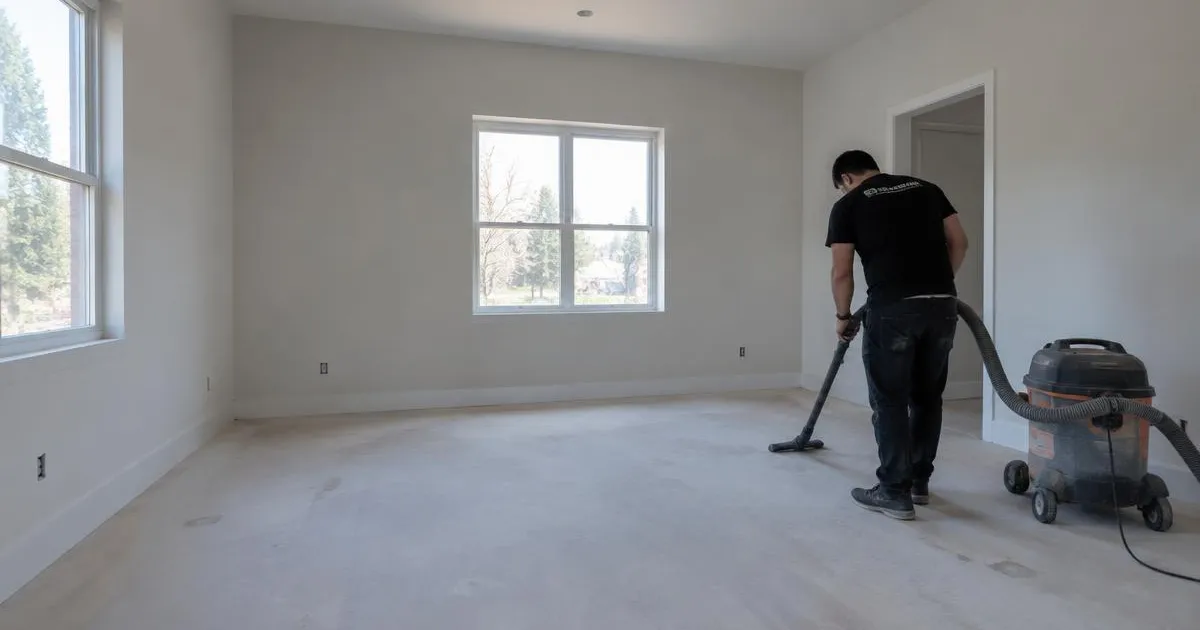
Post-Construction
Post Construction Cleaning Oakville: New Bathroom Fixtures and Sealants
A newly renovated bathroom needs more than a quick wipe. Learn how cure instructions, fixture finishes, debris conditions, and access determine a practical cleanup plan.
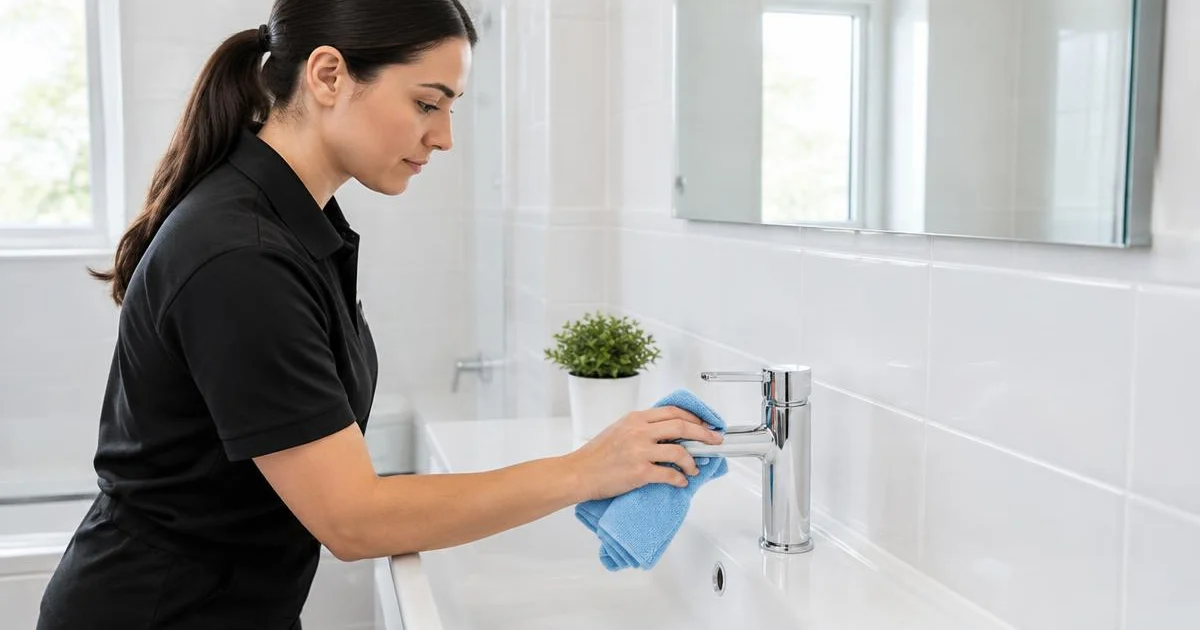
post construction cleaning Oakville: New Bathroom Fixtures and Sealants
Planning post construction cleaning Oakville starts with a question that is easy to overlook: are the bathroom materials ready to be cleaned? A room can look finished while sealant joints, grout, coatings, or fixture adhesives still have restrictions on moisture and contact. Prime Cleaning MO LLC approaches the scope around those limits, along with the amount of dust, remaining debris, and access available. The goal is to remove agreed construction residue without treating newly installed surfaces as ordinary household finishes.
Before requesting service, separate what the installer has completed from what remains active. Is the shower still awaiting a final sealant bead? Will someone drill for towel bars after cleaning? Are plumbing adjustments still expected? Those answers help identify areas ready for attention and areas that should wait. For an Oakville home, the most useful starting point is a room-by-room description, not simply a request to clean everything after renovation.
Build the intake around bedrooms, bathrooms, and actual conditions
For residential construction cleanup, provide the bedroom count, bathroom count, and current condition: debris, dust, or more. Explain whether the project affected one bathroom, several rooms, or the entire home. A bathroom-only renovation can still leave residue along the route used to carry materials, so include adjacent hallways and rooms where dust is visible. Photos can help describe conditions, but they cannot establish whether an unknown powder is appropriate for routine cleaning.
Useful scope questions include: Is the residue identifiable from the contractor’s work? Are boxes, packaging, broken tile, or unused materials still present? Which fixtures are new, and which original surfaces remain? Are water and electricity available? Note any restricted rooms and whether occupants will be using the bathroom during the visit. If dust is unidentified or potentially hazardous, stop work in that area and request assessment by a qualified contractor before cleaning proceeds. Do not try to identify questionable dust by disturbing it.
Explore our post-construction service and cleaning in Oakville, MO for property-specific information.
Confirm sealant and cure instructions before touching joints
Ask the installer for the product names and manufacturer instructions for sealants, grout, grout sealers, adhesives, and any applied coatings. Record when each product was installed and whether the instructions distinguish curing, water exposure, and cleaning. A surface that feels dry is not necessarily ready for detergent, scrubbing, or repeated wetting. Follow the applicable manufacturer cure times rather than substituting a general waiting period.
Ask about each joint, not just the room
Check the shower perimeter, tub edge, sink rim, backsplash, and other newly sealed transitions. Ask which joints were most recently finished and whether the installer has imposed additional restrictions. Share those notes with the cleaning team before arrival. If instructions are missing or conflict with what the installer says, obtain clarification rather than testing a cleaner on the joint.
Choose partial cleaning when necessary
For example, a vanity exterior might be ready while the shower perimeter is not. The agreed scope can exclude the shower and address accessible, approved surfaces elsewhere. If a sealant bead looks loose, smeared, or incomplete, leave it alone and refer the concern to the installer; cleaning is not finish repair.
Separate loose debris from hauling and stuck-on residue
Describe debris by type, location, and quantity before the visit. Small packaging pieces and accessible loose residue are different from piles of tile, drywall offcuts, discarded fixtures, or full contractor bags. Heavy debris and hauling must be scoped separately, including who removes the material and where it may be taken. Do not assume that a cleaning appointment includes carrying renovation waste out of the property.
Stuck-on material needs its own discussion. A spot on a faucet could be ordinary dust, adhesive, grout residue, or a coating defect, and those possibilities call for different decisions. Do not authorize indiscriminate scraping across new fixtures or tile. Identify the residue with the installer and confirm a manufacturer-approved method before attempting removal. Hardened cementitious residue, paint overspray, and adhesive deposits should be disclosed during intake rather than treated as automatic inclusions. If removing a mark could damage the finish, pause and ask the installer to assess it.
Remove known dust without damaging bathroom finishes
Once the dust is identified as suitable for routine construction cleanup, plan removal from higher accessible surfaces toward lower ones. Start with ledges and fixture exteriors, then address counters and floors so material is not repeatedly knocked onto finished areas. Use equipment and filtration appropriate to the known construction dust; do not use household vacuums. Avoid dry sweeping that sends settled powder back into the room.
Cleaning products and tools must match the surface manufacturer’s instructions. Use gentle methods approved for acrylic tubs, coated faucets, glass, tile, and vanity finishes rather than assuming one bathroom product suits everything. Avoid acids on natural stone, and never mix cleaners. Keep moisture away from joints that have not been cleared for wet cleaning. Disinfect only when appropriate for the surface and task, observing the product’s full label contact time. Disinfection is not a substitute for removing loose soil first, nor does cleanup establish occupancy safety.
Resolve access and trade traffic before scheduling
A workable access plan protects the sequence of cleaning. Identify the entry door, material-carrying route, available parking or unloading access, and a place for equipment that does not block installers. Explain whether stairs, narrow hallways, or occupied rooms limit movement. Provide a contact who can answer questions about restricted surfaces and authorize a pause if the actual conditions differ from the intake description.
Consider this decision example: the bathroom tile is ready, but an electrician still needs to cut an opening above the vanity. Cleaning that counter beforehand may lead to repeat work. Either schedule the affected area after that task or explicitly limit the earlier visit. Confirm who will remove temporary protection; pulling it away can release trapped debris or affect adjacent finishes. If work continues elsewhere, discuss whether those areas can be kept separate without making ventilation or containment promises. Detailed work beyond a deep clean may take more than one day, depending on conditions and scope.
Put inclusions, optional extras, and exclusions in writing
Post-construction cleaning should have its own agreed scope rather than inherit assumptions from another service. List the rooms, accessible surfaces, approved methods, and areas excluded because of cure restrictions or unfinished work. Interior windows are an optional add-on for post-construction cleaning, not an automatic inclusion. Specify whether you mean glass alone or also accessible tracks and frames, especially when residue is present.
Service categories also matter when planning what follows renovation. For a deep clean, appliance interiors and inside cabinets are optional add-ons. Move-In/Move-Out cleaning includes inside and outside cabinets and appliances. Standard/recurring service is available only after an initial deep clean, not as a one-time or first-time cleaning; the first standard/recurring quote includes that deep clean. Do not assume these categories define construction-residue removal. Interior windows are optional across services except Airbnb turnovers. Ask Prime Cleaning MO LLC to distinguish requested add-ons from renovation tasks so the written agreement reflects the work actually needed.
Review the results and use the right commercial intake
At the final review, compare the work with the agreed scope. Look at accessible fixture bases, vanity edges, ledges, and floors under normal lighting. Separate remaining soil from scratches, installation defects, or joints intentionally left untouched. Report suspected defects to the installer rather than requesting aggressive cleaning to conceal them. Keep the product instructions for future bathroom care.
If the Oakville project is commercial rather than residential, request a free in-person walkthrough before pricing. Commercial/industrial cleaning and commercial post-construction cleaning both require that step. Provide the business name, approximate square footage, restroom count, preferred date/time window, and onsite contact. The walkthrough should address work zones, access restrictions, remaining trades, fixture materials, and debris responsibilities. Hazardous work is not promised. Whether the property is a home or business, the useful outcome is a clear agreement about what is ready, what can be cleaned, and what needs contractor attention first.