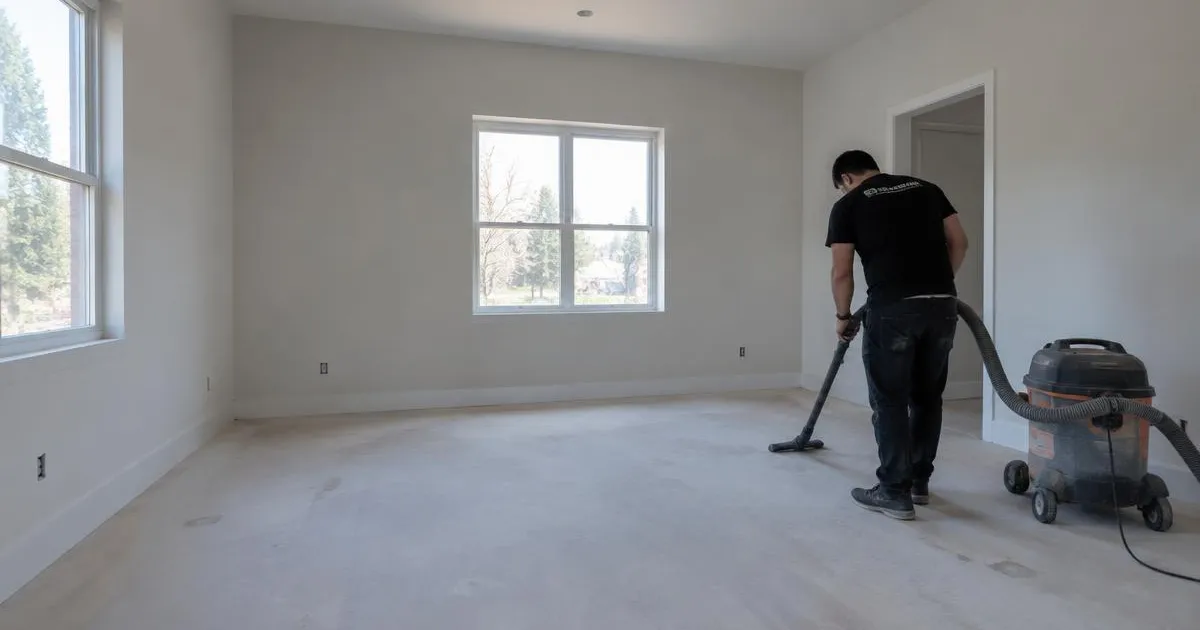
Post-Construction
Post Construction Cleaning Richmond Heights: Owner, Contractor and Cleaner Handoff
A practical handoff plan for separating unfinished construction from cleaning, scoping dust and debris, and keeping owners, contractors, and cleaners aligned.

post construction cleaning Richmond Heights: Owner, Contractor and Cleaner Handoff
Planning post construction cleaning Richmond Heights means deciding where the contractor’s work ends and the cleaner’s work begins. A room can look nearly finished while still containing uncured finishes, loose materials, or tasks that will create more dust. The most useful starting point is a shared handoff: what remains unfinished, who owns each task, and which spaces are actually ready for cleaning.
For a Richmond Heights renovation, the owner, contractor, and Prime Cleaning MO LLC should work from the same room-by-room scope. Instead of describing the property as “almost done,” identify whether trim installation, sanding, painting, fixture installation, or material removal remains. Those details determine whether cleaning can proceed, needs a limited area, or should wait.
Ask three questions before choosing a cleaning window: Will anyone generate dust afterward? Are the surfaces ready for manufacturer-approved cleaning? Can cleaners reach the agreed areas without moving construction materials? A clear answer prevents cleaning from being mistaken for completion of the renovation itself.
Scope post construction cleaning Richmond Heights by Condition
Residential intake should begin with bedroom count, bathroom count, and the property’s actual condition: debris, dust, or more. Add which rooms were renovated and whether adjacent rooms remained open during work. A bathroom remodel with a closed work area has a different cleaning boundary from flooring replacement across occupied living spaces.
Describe “more” specifically. Are there adhesive spots, paint specks, labels, stored tools, furniture under protective coverings, or surfaces the contractor has not released? Photos can clarify visible conditions, but they do not establish what an unknown dust contains. Note inaccessible rooms and any areas where the condition cannot yet be checked.
A useful decision example is a renovated kitchen beside an untouched dining room. If dust traveled into the dining room, include it explicitly rather than assuming that only the construction room needs attention. Conversely, a closed bedroom should not automatically enter the scope. Agree on the rooms, accessible surfaces, and exclusions before treating an estimate as a shared plan.
Explore our post-construction service and cleaning in Richmond Heights, MO for property-specific information.
Assign Unfinished Tasks to the Right Person
Create a short handoff record with four entries for every unresolved item: location, condition, responsible person, and next action. Keep construction corrections separate from cleaning requests so an unfinished task does not disappear between appointments.
Contractor Responsibilities Before Cleaning
The contractor should identify unfinished work, remove or organize their tools and materials, and explain any surface restrictions. Paint touch-ups, damaged trim, missing grout, and finish repairs remain construction matters, not cleaning substitutes. Ask the contractor to identify installed materials and provide relevant care and cure instructions before cleaners work on them.
Owner Decisions and Cleaner Boundaries
The owner confirms access, belongings that must stay untouched, and which optional services are requested. The cleaner confirms what can be addressed within the agreed scope and flags conditions needing further assessment. For example, if a mark might be either residue or finish damage, record it and ask the contractor to identify it. Do not assume stronger scrubbing will solve an uncertain condition.
Separate Loose Debris From Heavy Removal
Dust removal and debris hauling are not interchangeable services. Identify leftover packaging, offcuts, broken materials, full waste bags, and heavy items separately. Heavy debris and hauling must be scoped separately rather than assumed to be part of routine post-construction cleaning. The agreement should say who removes each category and where permitted waste goes.
Access often depends on resolving debris first. A hallway used for tile boxes cannot also serve as an unobstructed cleaning route. Ask whether the contractor will remove materials before arrival, whether anything must remain, and who may authorize moving it. Cleaners should not decide which leftover pieces are waste and which are needed for final installation.
Unknown substances require a different response. Stop work in the affected area and request assessment by a qualified contractor before disturbing unknown or potentially hazardous dust. Do not sweep it into the general cleaning task or suggest using a household vacuum. Hazardous-material assessment and remediation are outside this cleaning scope.
Release Rooms Only When Surfaces Are Ready
A room is ready for cleaning when remaining work, surface care restrictions, and access have been checked—not simply when construction workers leave. Follow manufacturer cure times for paint, grout, sealants, coatings, and adhesives. Do not substitute an assumed waiting period or interpret a surface that feels dry as permission to wash or scrub it.
Ask the contractor which surfaces can receive moisture, which products are prohibited, and whether protective coverings may be removed. If floor protection is still needed for later trade visits, agree on whether cleaning will stop at its boundary or resume after removal. Removing protection too early can undermine the contractor’s plan for unfinished work.
Sequence approved cleaning from higher accessible surfaces toward lower surfaces and floors, using methods suited to the material and identified dust. Follow manufacturer-safe surface care, never mix cleaners, and avoid acids on stone. Disinfect only where appropriate and maintain the full label contact time. Cleaning should not become an experiment on newly installed finishes; uncertain instructions need clarification first.
Plan Access Around People and Remaining Work
Access is part of the work scope, not an administrative detail. Confirm the entry method, onsite decision-maker, usable water and electricity, and any building requirements affecting delivery or movement. Explain where equipment may be placed without blocking exits or contractor access.
Occupied Homes Need Clear Boundaries
If the owner is living in the home, identify active rooms, personal belongings, pets, and areas that must remain accessible. Decide who moves fragile items before cleaning. A room filled with unpacked boxes may need a revised scope because its surfaces cannot be reached; cleaning around those boxes is not equivalent to cleaning the whole room.
Avoid Overlapping Dust-Producing Work
Do not schedule sanding beside detailed cleaning and expect the cleaned area to remain unchanged. If trades must return, identify the rooms they will enter and whether a later cleaning visit needs separate approval. Detailing beyond deep-clean scope may take more than one day, so discuss dependencies rather than promising a fixed completion window.
Specify Add-Ons and Commercial Pricing Requirements
Name the service and its inclusions instead of relying on “clean everything.” Interior windows are an optional add-on for post-construction cleaning, not automatic inclusion. Identify the requested panes, access limitations, and any uncertain residue. Material stuck to glass may need contractor review before anyone attempts removal.
Service categories also matter when a renovation overlaps a move. Appliance interiors and inside cabinets are optional add-ons for deep cleaning. Move-In/Move-Out cleaning includes inside and outside cabinets and appliances. Standard or recurring cleaning begins only after an initial deep clean, and the first standard or recurring quote includes that deep clean; it is not a first-time or one-time alternative.
Commercial and industrial work, including commercial post-construction cleaning, requires a free in-person walkthrough before pricing. Provide the business name, approximate square footage, restroom count, preferred date/time window, and onsite contact. Use the walkthrough to identify work zones, access restrictions, unfinished tasks, and exclusions. A request involving hazardous work must not be treated as an ordinary cleaning commitment.
Close the Handoff With a Shared Review
Before cleaning starts, confirm the agreed scope with the owner and contractor. Record pre-existing marks, inaccessible areas, unfinished items, and surfaces awaiting release. This does not need to be elaborate: room names with clear notes are more useful than an ambiguous instruction to finish whatever remains.
Afterward, review the same areas and separate three outcomes: cleaning completed within scope, cleaning blocked by access or surface restrictions, and construction tasks still requiring the contractor. For example, residue addressed on an approved countertop is a cleaning outcome; chipped edging remains a contractor issue. If another trade returns and creates dust, document that new condition before discussing additional cleaning.
When contacting Prime Cleaning MO LLC, bring the room list, residential bedroom and bathroom counts, condition notes, remaining contractor tasks, and access details. The goal is a practical agreement about who does what next. Cleaning supports the renovation handoff, but it does not certify occupancy safety or establish that construction is complete.