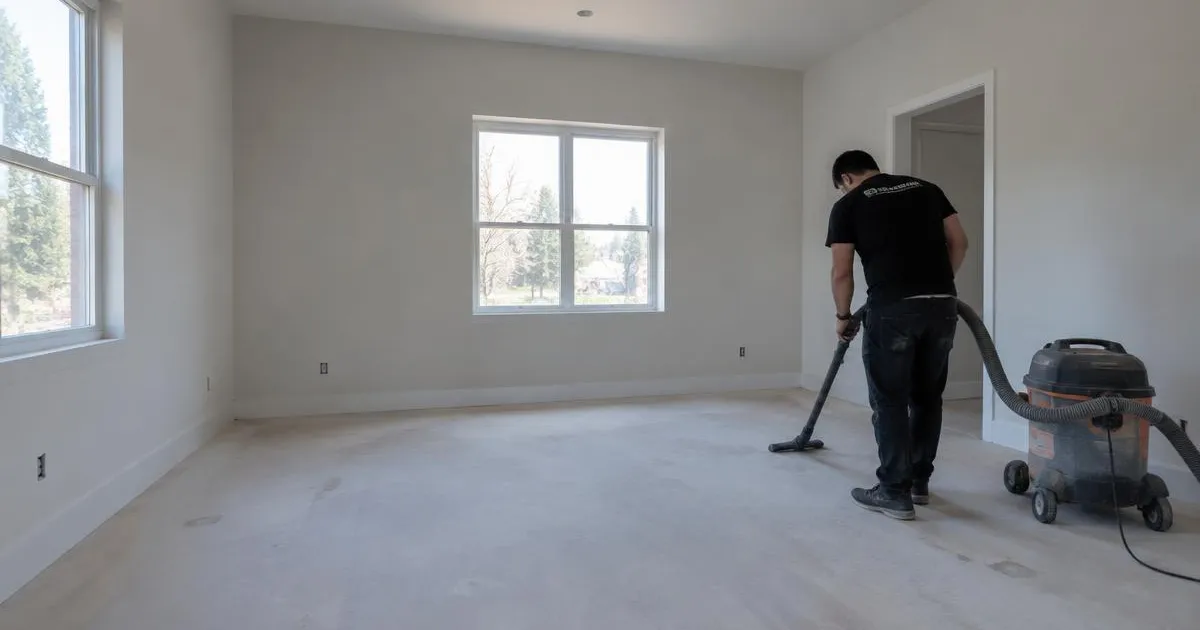
Post-Construction
Post Construction Cleaning St. Charles: Room Counts and Dust Locations
A room-by-room dust map helps separate routine renovation residue from debris, access obstacles, and conditions that need contractor assessment before cleaning.
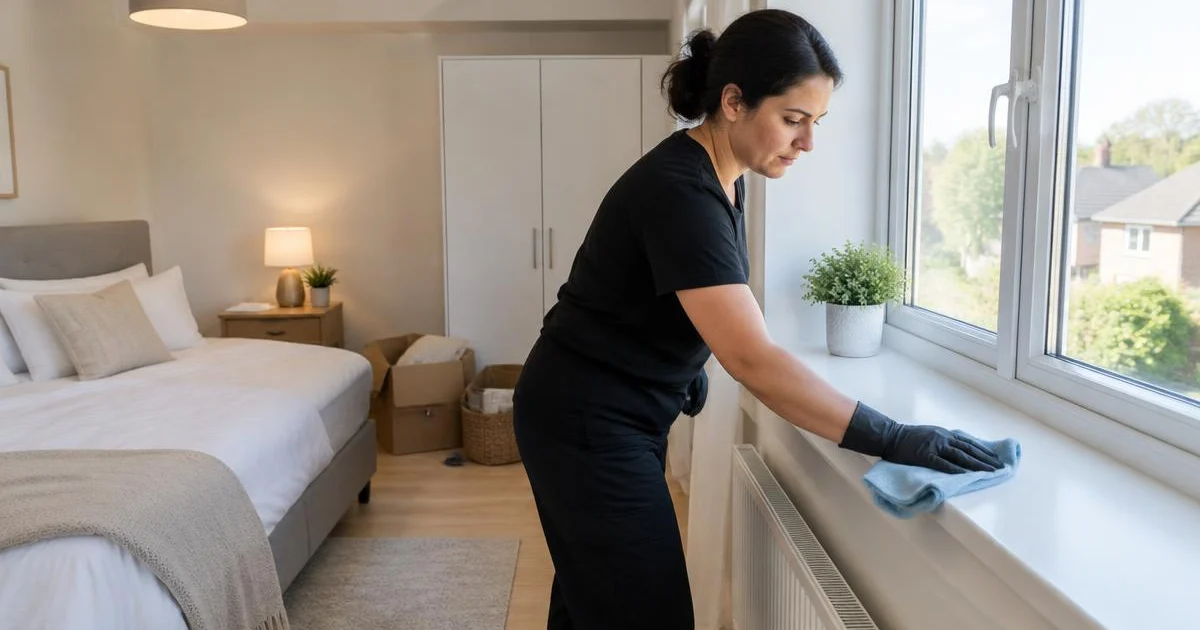
post construction cleaning St. Charles: Room Counts and Dust Locations
Renovation cleanup becomes easier to scope when you describe where the work happened, not just how large the home is. When requesting post construction cleaning St. Charles, start with bedroom and bathroom counts, then identify which rooms contain debris, settled dust, tracked residue, or something more concerning. Prime Cleaning MO LLC can use those distinctions to discuss the cleaning scope without treating every room as equally affected.
Create a simple map with one entry per room. Record whether construction occurred there, whether workers passed through, and whether doors remained open during work. Include closets, stairs, landings, and the route from the work area to the exit. A bedroom untouched by tools can still need attention if it served as a passageway.
Keep three categories separate: known construction residue suitable for cleaning, material or objects requiring separately scoped removal, and unknown dust requiring qualified assessment. This prevents a request to clean three bedrooms and two bathrooms from hiding very different conditions behind a single room count.
Use bedroom counts to reveal hidden scope
Report the total bedroom count and the number affected by renovation. Then explain each affected room individually. Ask whether the room is empty, furnished, occupied, or being used for storage. Note open closets, exposed shelving, window ledges, ceiling fans, and trim profiles that can collect residue. Interior window cleaning is an optional add-on, not an automatic part of the request.
Separate direct work from dust migration
For example, a three-bedroom home might have one bedroom with new trim, one with tracked dust near the doorway, and one closed throughout the project. Those rooms should not automatically receive identical scopes. Mark the first for detailed surface assessment, the second for threshold and floor attention, and the third for inspection before deciding what cleaning is needed.
Identify access limits before arrival
Tell the team if beds, wardrobes, boxes, or contractor equipment block surfaces. Ask who will clear those obstacles and whether closets must be emptied. Do not assume moving heavy furniture or handling personal belongings is included. Record any areas that must remain undisturbed so the agreed scope reflects accessible surfaces.
Explore our post-construction service and cleaning in St. Charles, MO for property-specific information.
Count bathrooms, then map their different residues
Give the total bathroom count, including half baths, and identify which bathrooms were renovated or used by workers. A remodeled shower room and an untouched powder room present different cleaning questions. Note dust on fixtures, packaging under vanities, residue around hardware, and protective coverings still attached to surfaces.
For each bathroom, ask: Is installation finished? Are fixtures operational? Are sealants, grout, coatings, or adhesives ready for cleaning under their manufacturers’ instructions? Request product information from the contractor when necessary. Cleaning should follow manufacturer cure times rather than an assumed waiting period.
Describe residue without promising its removal. A cloudy tile surface might be ordinary dust, installation residue requiring a specific approved method, or a finish issue for the installer. Avoid acids on stone, and do not treat scraping as a default solution. If a mark remains after appropriate cleaning, refer it back for evaluation rather than expanding the work into finish repair.
Mark whether water and drains are available and whether any fixtures are off-limits. These practical details affect access and cleaning methods.
Separate cleanable dust from debris and unknown material
The intake question about condition should distinguish debris, dust, or more. Be specific: fine settled dust on shelving, empty cartons in a bedroom, or piles of offcuts beside a bathroom each suggest different work. Photos can help describe visible conditions, but they cannot establish what an unknown substance contains.
Heavy debris and hauling must be scoped separately. Identify bulky packaging, leftover materials, fixtures, and other objects still awaiting contractor removal. Confirm who owns usable leftovers and who is responsible for taking materials away. Do not assume a cleaning booking includes loading, transport, or disposal.
If dust is unknown or potentially hazardous, stop and request assessment by a qualified contractor before disturbing it. This is particularly important when the project history or materials are unclear. Do not dry-sweep suspect material or try to solve the uncertainty with a household vacuum.
Ordinary cleaning is not a substitute for asbestos, lead, silica, or mold assessment or remediation. Hazardous waste handling is not part of the promised scope, and cleaning does not certify occupancy safety.
Plan access around active work and shared routes
A dust map should also show movement. Trace the path from entry to each affected bedroom and bathroom, noting stairs, narrow halls, and shared living areas. If workers cross a cleaned hallway to reach an unfinished bathroom, that hallway may collect new residue. Discuss sequencing rather than assuming one visit will address ongoing construction.
Ask who controls entry, whether parking or loading access has restrictions, and where cleaning equipment can be placed without blocking exits. Confirm available water and electricity, secure pets away from work areas, and identify a contact authorized to answer scope questions.
Before scheduling, ask the contractor which activities remain. Cutting, sanding, drilling, and unpacking dusty materials can change the condition of nearby rooms. Agree which spaces will be released for cleaning and which remain active work zones.
Protective floor coverings also need a decision: who removes them, when removal happens, and whether the exposed surface is ready for cleaning. If removal could damage a new finish, request installer guidance instead of improvising.
Set a surface-safe cleaning sequence
Once the material and scope are understood, organize work so cleaned surfaces are not repeatedly contaminated. A practical sequence addresses accessible upper surfaces before lower surfaces and floors, while keeping dirty access routes separate where possible. The exact method depends on the residue, finish, and manufacturer instructions.
Ask how fine dust will be captured rather than redistributed. Equipment must be appropriate for the assessed material; household vacuums are not a recommendation for construction dust. Never mix cleaning products, and avoid using stronger chemicals simply because residue is stubborn.
New cabinetry, flooring, fixtures, and painted surfaces may have different care requirements. Provide available product names or installer instructions. Where appropriate, test an approved method in an inconspicuous area before proceeding. A surface that is still curing may need to remain outside the cleaning scope.
Disinfect only when appropriate, using a compatible product for its full label contact time. Dust removal and disinfection are different tasks. Do not assume a disinfectant removes construction residue or that a freshly cleaned room will remain dust-free during continuing work.
Confirm service boundaries and optional additions
Write down what each room needs rather than relying on a broad label such as detailed clean. For renovation cleanup, confirm accessible surfaces, residue types, exclusions, and optional interior windows. Duct cleaning and finish repairs should not be assumed.
If comparing service options, keep their inclusions distinct. Deep-clean appliance interiors and inside cabinets are optional add-ons. Move-In/Move-Out cleaning includes inside and outside cabinets and appliances. Neither distinction means a renovation-cleaning request automatically receives those tasks; confirm the selected service and scope.
Standard/recurring cleaning is available only after an initial deep clean, not as a one-time or first-time standard visit. The first standard/recurring quote includes that deep clean. Interior windows are optional across services except Airbnb turnovers, which follow their turnover scope.
For a heavily detailed project, ask whether the requested work goes beyond deep cleaning. Detailing beyond deep clean may take more than one day. Discuss priorities and access without assuming a universal checklist or fixed completion duration.
Turn the room map into a clear intake request
Send Prime Cleaning MO LLC the bedroom and bathroom counts, affected-room list, condition notes, access restrictions, and remaining contractor tasks. Include your requested date or time window, while allowing the scope discussion to determine feasibility. Identify optional additions explicitly rather than leaving them implied.
A useful residential request might say: Three bedrooms, two bathrooms; one bedroom has trim dust, one bathroom was remodeled, and the hallway was the worker route. Furniture blocks one wall, heavy debris remains with the contractor, and interior windows need a separate discussion.
For commercial or industrial cleaning, including commercial post-construction, a free in-person walkthrough is required before pricing. Provide the business name, approximate square footage, restroom count, preferred date/time window, and onsite contact. Photos and room counts can prepare that visit but do not replace it. Unknown or hazardous conditions still require qualified assessment; a walkthrough does not imply acceptance of hazardous work.