Post-Construction
Post Construction Cleaning St. Peters: Recording Existing Surface Damage
A practical guide to documenting new surface damage, separating cleaning from repair, and defining dust, debris, and access needs after renovation.

post construction cleaning St. Peters: Recording Existing Surface Damage
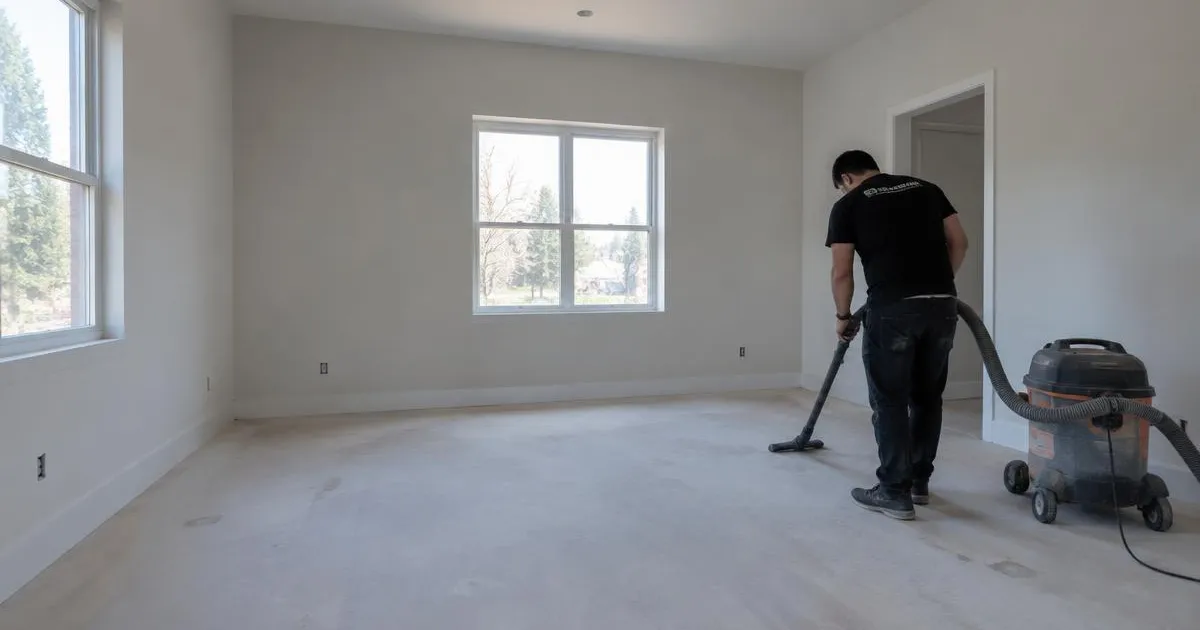
Renovation Cleanup in St. Peters: Dust, Debris, and Access starts with a question that matters before the first surface is wiped: what condition did the renovation leave behind? When arranging post construction cleaning St. Peters, documenting scratches, chips, stains, and unfinished areas helps separate cleaning needs from contractor follow-up. Prime Cleaning MO LLC can use that information to clarify the cleaning scope without promising repairs or treating every visible mark as removable dirt.
Before requesting a residential quote, list the number of bedrooms and bathrooms, then describe the condition: debris, dust, or something more. Identify renovated rooms, adjacent spaces affected by tracked dust, and areas still under construction. A bedroom count alone cannot explain a kitchen renovation with residue on new cabinetry and blocked hallway access.
The goal is a useful baseline, not an argument about responsibility. Record what is visible, what remains covered, and what needs contractor review before cleaning starts.
Photograph new finishes before touching questionable marks
Create a room-by-room record while surfaces are undisturbed. Take a wide photo showing the location, then a closer image of each concern. Include enough context to distinguish one cabinet door, countertop section, or floorboard from another. Keep original files and share a short labeled list with the person coordinating the renovation.
Record location and appearance, not an assumed cause
Write descriptions such as “thin line beside island sink” or “dull patch on bathroom vanity.” Avoid labeling something a cleaning scratch or installation defect unless that cause is established. Note whether the mark was visible before protective coverings were removed, and identify surfaces that could not yet be inspected.
Leave uncertain residue in place for review
Do not scrape a suspicious spot to find out whether it is paint, adhesive, or damaged finish. Photograph it and ask the contractor or product manufacturer about identification and removal instructions. If a mark becomes visible only after dust is lifted, pause, document the discovery, and notify the designated contact.
Explore our post-construction service and cleaning in St. Peters, MO for property-specific information.
Separate removable soil from damage and unfinished work
Dust can make an intact finish look dull, while residue can resemble a scratch. Cleaning should not become an experiment intended to prove which one it is. Identify the material and obtain its care instructions before choosing a method, especially for new stone, coated fixtures, flooring, and cabinetry.
For example, a white haze beside a tiled shower might be surface soil, grout residue, or a finish issue. The appropriate next step is clarification, not a stronger chemical. Similarly, a chipped cabinet edge belongs on the contractor follow-up list; wiping it cannot repair the missing finish.
Use three categories in your notes: approved cleaning, hold for assessment, and contractor punch-list work. Ask who can authorize a method change and who receives photos if another concern appears. Cleaning does not include finish repairs, and a remaining mark should not automatically trigger repeated rubbing, scraping, or stronger products. Keep approval and unresolved-item notes together so everyone works from the same information.
Identify dust and debris before choosing the cleaning scope
Describe the source of the dust, not just its amount. Ask which materials were cut, sanded, or removed and whether the contractor has finished dust-generating work. Fine residue from an identified material requires a different scope discussion than an unexplained powder left after demolition.
If dust is unknown or potentially hazardous, stop work in that area and request assessment by a qualified contractor before proceeding. Do not sweep, blow, or vacuum it as a test. Asbestos, lead, silica, mold, and other hazardous conditions must not be assumed to fall within ordinary post-construction cleaning.
For known, appropriate construction residue, agree on suitable dust-control equipment and methods; household vacuums are not an appropriate recommendation. Also separate loose packaging and light remnants from heavy debris, demolition materials, and hauling. Ask what will remain on arrival, who will remove it, and whether removal must happen before cleaning access is possible. Heavy debris and hauling require separate scoping rather than an assumption that everything will disappear.
Make access and contractor sequencing part of the plan
A room may look finished but still be unavailable for cleaning. Confirm which trades will return, where tools are stored, and whether workers need routes through cleaned spaces. Continued cutting or sanding can redeposit dust and complicate the condition record. Schedule around remaining work rather than relying only on a requested completion date.
Provide entry instructions, parking or unloading constraints, utility availability, and the name of someone authorized to answer questions. Identify locked rooms, occupied spaces, pets, and pathways that must remain clear. Ask who removes protective film or floor coverings, and when the newly exposed surfaces can be photographed.
New coatings, grout, sealants, and adhesives must follow manufacturer cure times before cleaning methods are approved. Do not substitute an assumed waiting period. Detailed work beyond a deep clean may take more than one day, so explain access limits early. If only part of the property is ready, define that boundary and document excluded rooms instead of treating the entire renovation as ready.
Choose inclusions without confusing different cleaning services
Build the scope around actual renovation residue and the rooms that can be accessed. Ask whether trim, doors, reachable fixtures, exposed shelving, and other affected surfaces need attention. This is a property-specific agreement, not a claim that one universal checklist covers every renovation.
Interior windows are an optional add-on for post-construction cleaning, not an automatic inclusion. Describe any residue on glass and frames separately, especially where scraping might damage coatings. With a deep clean, appliance interiors and inside cabinets are also optional add-ons. Move-In/Move-Out cleaning includes inside and outside cabinets and appliances; confirm how any construction residue affects that scope.
For example, a renovated kitchen with dusty cabinet interiors needs an explicit interior-cleaning discussion, while an untouched bedroom may need only agreed adjacent-area attention. Standard/recurring service is available only after an initial deep clean, not as a first-time or one-time substitute. The first standard/recurring quote includes that deep clean. Post-renovation needs should be resolved before settling into maintenance.
Use surface-safe methods with clear stop points
Share product names, finish specifications, and manufacturer care instructions whenever available. Care should match the installed material, not merely the room: a stone vanity, coated faucet, and painted cabinet door can require different approaches. Avoid acids on stone, never mix cleaners, and disinfect only when appropriate while observing the full label contact time.
Agree on stop points before work begins. If a finish transfers color, changes sheen, feels unstable, or shows unexpected damage, stop cleaning that surface and seek guidance. A small test in an approved inconspicuous area can inform a method, but it is not permission to ignore manufacturer restrictions.
Ask how completed areas will be reviewed without aggressive polishing of unresolved spots. Dust removal cannot promise dust-free results, repair damaged finishes, or establish that a property is safe for occupancy. Keep unresolved conditions visible in the handoff notes rather than hiding them behind a broad statement that everything is finished.
Prepare the quote request and close with a documented handoff
Send Prime Cleaning MO LLC a concise intake summary: St. Peters property location, residential bedroom and bathroom counts, renovation areas, condition photos, debris details, and access restrictions. Include requested add-ons, remaining contractor work, and questions about delicate finishes. Explain which marks have already been referred for assessment.
Commercial and industrial properties, including commercial post-construction projects, require a free in-person walkthrough before pricing. Provide the business name, approximate square footage, restroom count, preferred date/time window, and onsite contact. The walkthrough allows access, surfaces, residue, and exclusions to be discussed; hazardous work is not promised.
At the final review, compare accessible areas with the original photos and approved scope. Record completed cleaning, areas withheld, newly visible concerns, and anything awaiting contractor direction. Assign a contact for each unresolved item. This keeps cleaning and repair decisions separate and gives everyone a practical record of what happened.