Post-Construction
Post Construction Cleaning Webster Groves: Unknown Dust in Older Buildings
A useful renovation cleanup plan starts by identifying the dust—not assuming it is ordinary construction residue. Learn what to confirm before scheduling cleaning.

post construction cleaning Webster Groves: Unknown Dust in Older Buildings
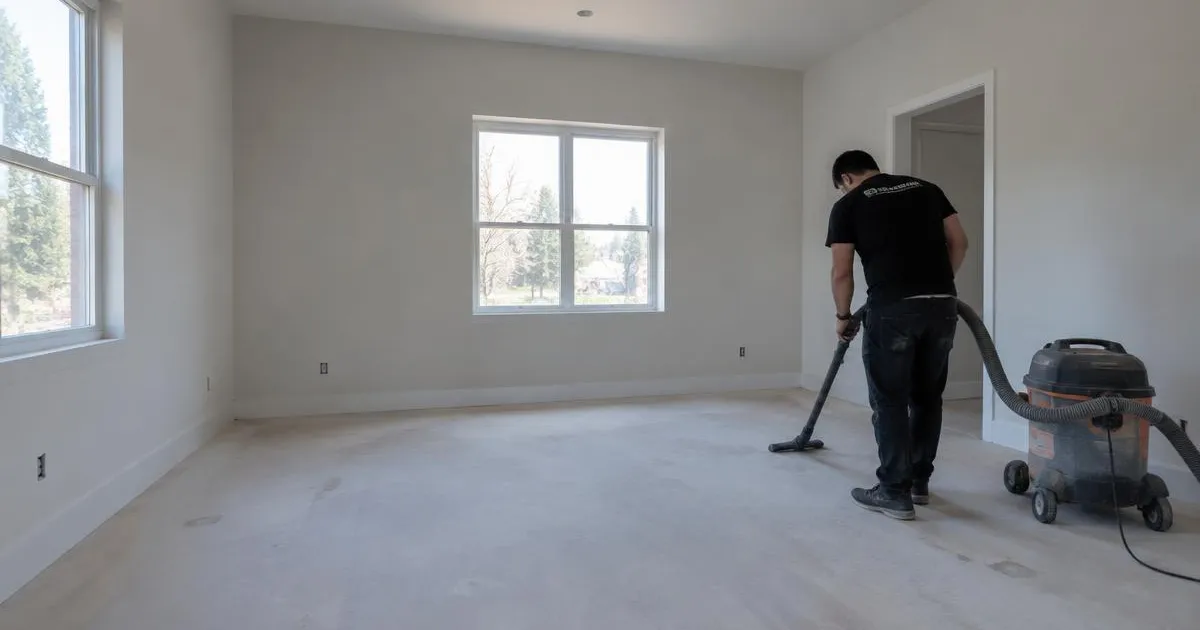
Renovation Cleanup in Webster Groves: Dust, Debris, and Access starts with a practical question: what actually needs to be removed? When arranging post construction cleaning Webster Groves homeowners should distinguish known, ordinary construction residue from dust whose source has not been identified. An older building can contain materials from several remodeling periods, and appearance alone cannot establish whether settled dust is suitable for routine cleaning. Before anyone brushes, vacuums, or wipes unknown residue, the contractor needs to assess it.
Prime Cleaning MO LLC can discuss cleaning scope once the material, work status, and accessible areas are understood. The goal is not simply to make rooms look finished; it is to choose an appropriate cleaning approach without disturbing an unresolved material concern. Start your request with the renovation type, bedrooms, bathrooms, and current condition: debris, dust, or more. Mention demolition, sanding, coatings, and any areas still under contractor control.
Treat Unknown Dust as a Stop Point
Dust color, texture, or location does not reliably reveal its composition. A pale layer near a newly installed cabinet might be ordinary installation residue, but nearby demolition could have introduced material from older walls or coatings. Do not assume that all residue came from the most recent task. Ask the contractor which materials were cut, sanded, drilled, or removed and whether any source remains uncertain.
When the source cannot be confirmed
Stop cleaning in the affected area and request assessment by a qualified contractor. Avoid sweeping, blowing, or testing the dust with a household vacuum. Keep traffic out of the area so residue is not carried into other rooms. The contractor should determine whether further evaluation or specialized work is needed before routine cleaning proceeds.
What cleaning does not establish
A clean-looking surface is not proof that an unknown material concern has been resolved. Routine cleaning does not replace assessment, specialized remediation, or required clearance procedures. If the contractor identifies hazardous material, arrange the appropriate qualified service rather than adding it to an ordinary cleaning request.
Explore our post-construction service and cleaning in Webster Groves, MO for property-specific information.
Separate Loose Debris From Detailed Surface Cleaning
A room containing screws, broken tile, packaging, and settled dust has several different work categories. Heavy debris and hauling must be scoped separately from cleaning reachable surfaces. Ask who will remove offcuts, leftover materials, discarded fixtures, and contractor equipment. Also identify where approved ordinary waste can go; an available bin does not automatically mean every renovation material belongs in it.
For example, a bathroom with removed fixtures still on the floor is not at the same starting point as a bathroom with only identified, nonhazardous residue on accessible surfaces. In the first case, resolve removal and access before detailing. In the second, cleaning can be planned around the installed finishes and their care requirements.
Describe quantities and obstacles plainly rather than saying the home needs a light cleanup. Photos can help explain visible conditions, but they cannot identify uncertain dust or replace a qualified assessment. Confirm whether adhesive residue, protective film, or paint marks require contractor attention rather than routine wiping.
Confirm the Work Is Ready for Cleaning
Scheduling should follow the actual construction sequence, not just a hoped-for move-in date. Ask whether sanding, drilling, flooring work, cabinet installation, or punch-list repairs will continue after cleaning. Any task that generates new residue can undermine recently completed surface work. If trades must return, identify which rooms can be released for cleaning and which should remain excluded.
New paint, grout, sealants, flooring finishes, and adhesives may need specific cure conditions before cleaning. Follow the product manufacturer's cure times and approved cleaning instructions; dry to the touch is not necessarily ready for wiping. Ask the installer to provide product information when the material or finish is unclear.
Before scheduling, confirm working water, electricity, lighting, and a usable route into each included room. Detailing beyond a deep clean may take more than one day, depending on the agreed scope and conditions. Discuss priorities without treating a proposed schedule as permission to clean uncured finishes or enter unresolved dust areas.
Plan Access Without Spreading Residue
Access planning matters when renovated spaces connect to occupied rooms. Identify the entrance cleaners should use, where equipment can be placed, and which doors or areas must remain closed. Explain whether residents, pets, deliveries, or trades will be present. A clear route reduces unnecessary movement through unaffected portions of the home.
For a second-floor renovation, ask whether the stairs and landing are included or simply provide access. For a kitchen project, clarify whether nearby dining furniture and open shelving were exposed to identified dust. Scope should follow the actual distribution of residue rather than stopping automatically at the renovation room's doorway.
Do not open contractor containment or move barriers without authorization. If dust appears outside an area whose material status remains unresolved, pause and return that question to the contractor. Once ordinary cleaning is appropriate, agree on room order and a final exit route. Keep household belongings out of work paths so cleaners can reach included surfaces without relocating personal collections or contractor supplies.
Match Cleaning Methods to Installed Materials
After dust has been identified as suitable for routine cleaning, methods should reflect both the residue and the finish beneath it. Construction dust should not be collected with household vacuums. Discuss suitable equipment and controlled removal methods with the cleaning provider before work begins. Avoid dry practices that unnecessarily redistribute settled material.
Use manufacturer-safe surface care, especially on stone, coated metals, wood, and newly installed flooring. Avoid acidic cleaners on stone, and never mix cleaning products. A test in an inconspicuous area can help evaluate finish compatibility, but it does not substitute for identifying unknown dust or following product instructions.
Disinfect only when appropriate for the surface and intended use, and allow the full label contact time. Disinfectant is not a shortcut for removing construction residue. If a mark does not release with an approved method, stop rather than escalating to aggressive scraping or stronger chemicals. Etching, scratches, coating defects, and finish repairs belong with the appropriate contractor, not an expanded cleaning promise.
Choose the Right Service and Optional Add-Ons
Post-construction cleaning should be scoped around the renovation conditions rather than assumed to match a household cleaning package. Interior windows are an optional add-on, not automatic inclusion. Specify accessible glass, screens, tracks, and any residue concerns separately so the provider can confirm what is appropriate. Construction stickers or hardened deposits may need a different decision from ordinary glass cleaning.
For a deep clean, appliance interiors and inside cabinets are optional add-ons. Move-In/Move-Out cleaning includes inside and outside cabinets and appliances. Tell the provider whether these areas contain belongings, installation materials, or uncured finishes, because access and material readiness still matter. A package name does not override an unresolved dust concern.
Standard/recurring service is available only after an initial deep clean; it is not a one-time or first-time service. The first standard/recurring quote includes that deep clean. If you want ongoing maintenance after renovation cleanup, ask how the renovation scope and initial deep-clean requirement will be coordinated before agreeing to recurring visits.
Send an Intake That Supports a Real Scope
For a residential request to Prime Cleaning MO LLC, provide the Webster Groves property location, bedroom and bathroom counts, and condition: debris, dust, or more. Name the renovated rooms, describe any spread into adjacent areas, and explain what the contractor has confirmed about the dust. Include access restrictions, remaining trade work, requested add-ons, and your preferred date and time window.
Ask concrete questions: Who removes heavy debris? Which rooms are released for cleaning? Are the installed finishes ready under manufacturer instructions? What remains excluded? Written answers help distinguish ordinary surface cleaning from contractor responsibilities and unresolved material issues.
Commercial and industrial work, including commercial post-construction cleaning, requires a free in-person walkthrough before pricing. Supply the business name, approximate square footage, restroom count, preferred date/time window, and onsite contact. The walkthrough supports scope and access decisions; it does not turn hazardous work into an included service. If unknown dust is present, qualified contractor assessment remains the next step before that area can be accepted for routine cleaning.