Post-Construction
Post Construction Cleaning Wentzville: Residential Versus Commercial Scope
A finished renovation can leave unfinished cleaning decisions. Learn how residential and commercial scopes differ, what to disclose, and when a walkthrough or contractor assessment comes first.

post construction cleaning Wentzville: Residential Versus Commercial Scope
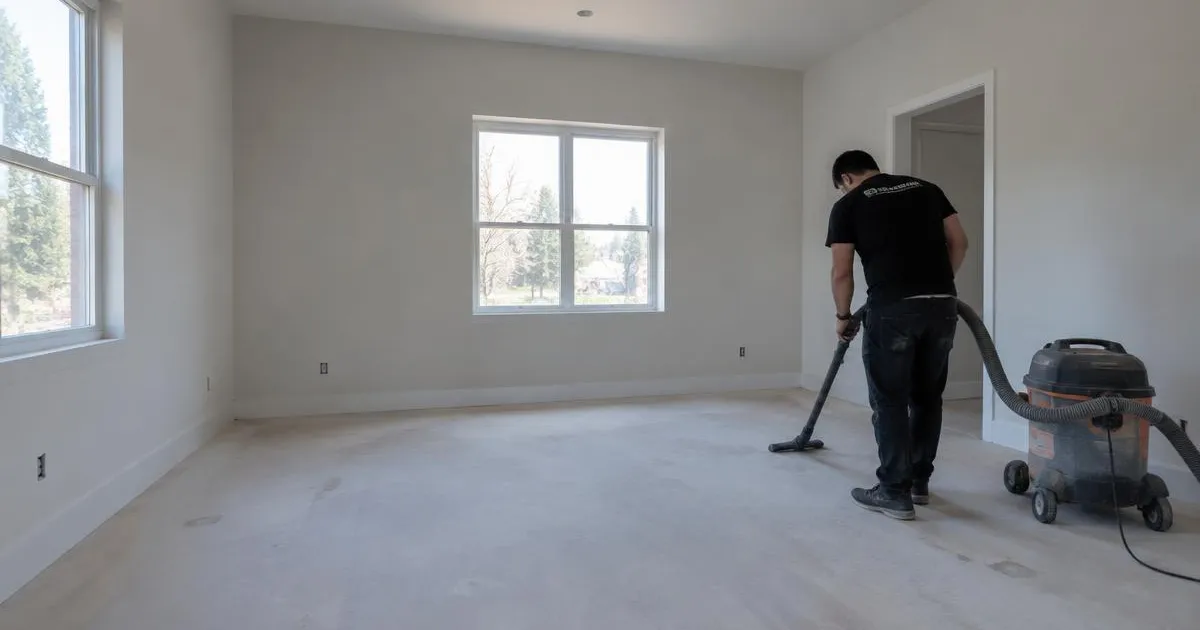
Planning post construction cleaning Wentzville starts with a distinction: a renovated home and a renovated business need different intake and pricing processes. Both may have settled dust, packaging, and restricted access, but room counts help describe a residence while a commercial property needs an in-person review. Prime Cleaning MO LLC uses those differences to define the requested work before discussing a cleaning plan.
The goal is not simply to make a space look finished. It is to identify what can be cleaned, what still belongs to the construction contractor, and what requires separate assessment. A kitchen renovation with dust in adjacent rooms is different from a storefront with multiple trades still working.
Before requesting a quote, list the renovated areas, rooms affected beyond them, remaining debris, and access restrictions. Identify who can answer questions about materials and newly installed finishes. That preparation makes the scope more useful than a request to clean everything.
Residential intake begins with bedrooms, bathrooms, and condition
For residential construction cleanup, provide the number of bedrooms and bathrooms, then describe the condition: debris, dust, or more. Explain whether the project affected one room, an entire floor, or the whole home. Include rooms outside the work zone if dust spread through open doorways or foot traffic.
Condition descriptions should be concrete. Dust on empty shelves differs from dust around books, clothing, and occupied furniture. Mention whether cabinets and appliances are installed, whether belongings remain, and whether workers still need access. Photos can clarify these details, but they cannot establish the identity of unknown dust.
Use a room-by-room decision example
Suppose a bathroom renovation left dust in the hallway and a nearby bedroom. Ask for those affected areas to be assessed rather than assuming the whole home needs identical treatment. If the bedroom is full of belongings, decide who will clear accessible surfaces. Report tile fragments or leftover materials separately from settled dust so their handling is not silently folded into the cleaning request.
Explore our post-construction service and cleaning in Wentzville, MO for property-specific information.
Commercial projects need a free in-person walkthrough before pricing
Commercial and industrial cleaning, including commercial post-construction cleaning, requires a free in-person walkthrough before pricing. Floor area alone does not reveal loading access, restroom condition, installed equipment, or whether another contractor will block the cleaning route. A business renovation may also involve shared corridors and property-management requirements that are absent from a residential intake.
Provide the business name, approximate square footage, restroom count, preferred date and time window, and onsite contact. Identify the person authorized to confirm the scope, along with any building-access instructions. These details prepare the walkthrough; they do not replace it.
Separate the cleaning footprint from the business footprint
For example, an office may have renovated only its reception area while staff continue using adjacent rooms. During the walkthrough, identify affected areas, occupied spaces, and routes used by trades. Confirm whether desks or equipment must remain untouched. Pricing should follow that review, with exclusions documented, rather than treating the entire business as an empty, uniformly accessible floor.
Separate ordinary cleanup from debris handling and unknown dust
Heavy debris and hauling must be scoped separately. Do not assume a cleaning quote includes broken fixtures, lumber, tile piles, or removal of leftover construction materials. Ask who will remove them, where approved ordinary waste may go, and whether the contractor must clear pathways before cleaning can begin.
Dust also needs a description, not a guess. If its source is unknown or it may be hazardous, stop cleaning in that area and request assessment by a qualified contractor before proceeding. Do not sweep, blow, or vacuum questionable material to see whether it comes off. Household vacuums are not appropriate recommendations for construction dust.
This service should not be treated as asbestos, lead, silica, or mold remediation, or hazardous waste removal. If a homeowner describes heavy powder after cutting an unidentified material, the next step is assessment, not an expanded routine-cleaning checklist. Ordinary cleaning scope can be discussed once the material and appropriate handling requirements are established.
Resolve access and contractor handoff before scheduling
A workable cleaning plan depends on access as much as dirt. Confirm how the team will enter, who will meet them if required, and whether water and electricity are available. Explain stairs, elevator reservations, parking limitations, locked rooms, and any occupied areas that must stay accessible during the visit.
Ask whether cutting, sanding, painting, or installation will continue. Active work can deposit fresh dust on cleaned surfaces or prevent access entirely. Rather than assuming cleaning can happen around every trade, establish which areas are ready and who will communicate changes. Schedule decisions should reflect actual readiness, not just a hoped-for project completion date.
New finishes introduce another question: when may they be cleaned? Follow the manufacturer's cure times and care instructions for paint, grout, sealants, flooring, and coatings. Obtain instructions from the installer when needed. If protective film or floor covering remains, clarify who may remove it; removing protection is not automatically part of routine surface cleaning.
Define surface cleaning without promising finish repairs
Discuss accessible surfaces individually: ledges, trim, doors, fixtures, cabinet exteriors, and floors may have different cleaning needs. Identify adhesive, paint specks, grout residue, or marks before work begins. Some apparent dirt may be a finish defect or installation issue, and cleaning is not a promise of finish repair or restoration.
Surface care must follow manufacturer guidance. Avoid acids on stone, never mix cleaners, and use disinfection only when appropriate, observing the product's full label contact time. A newly installed surface should not receive an aggressive treatment simply because a mark is stubborn. Ask for material identification and care instructions where these are unclear.
Interior windows are an optional add-on for post-construction cleaning, not an automatic inclusion. Specify the glass, access limitations, and any residue concerns when requesting them. Likewise, duct cleaning is not part of this scope. Dust around a vent does not justify promising treatment inside the ventilation system or a dust-free result.
Choose service inclusions deliberately after the renovation
Post-construction scope should reflect renovation residue rather than borrowing assumptions from another service. If you are also considering deep cleaning, appliance interiors and inside cabinets are optional add-ons for that service. Say whether you want those spaces cleaned and whether they will be empty and accessible.
Move-In/Move-Out cleaning includes inside and outside cabinets and appliances. That inclusion does not automatically cover construction debris, difficult installation residue, or hazardous material. A vacant renovated home may need those construction conditions assessed separately even when a move-related cleaning is also requested.
Standard/recurring cleaning is available only after an initial deep clean; it is not a first-time or one-time service. The first standard/recurring quote includes that initial deep clean. Interior windows remain optional across services except Airbnb turnovers. If your intended next step is ongoing home maintenance, first resolve renovation residue and confirm the initial deep-clean scope rather than treating recurring cleaning as a substitute for construction cleanup.
Confirm a written scope and realistic completion expectations
Before approving the work, review a written scope identifying included rooms, accessible surfaces, optional add-ons, exclusions, and debris responsibilities. For commercial projects, this confirmation follows the free in-person walkthrough. For residences, check that bedroom and bathroom counts and the reported condition accurately describe the request.
Ask practical closing questions: Who clears belongings? Which rooms remain locked? What happens if trades return? Who makes decisions if an unfamiliar residue appears? Detailing beyond a deep clean may take more than one day, so avoid building a handoff plan around an assumed single visit. The required effort depends on the agreed work and actual conditions.
At completion, compare the work with the agreed scope and report specific locations needing review. Distinguish newly deposited dust from remaining cleaning items and contractor defects. Cleaning does not guarantee occupancy safety or establish regulatory certification. A clear handoff helps everyone understand what was addressed and what still requires another professional.