Commercial & Janitorial
Retail & Salon Cleaning in St. Louis: Customer Areas and Boundaries
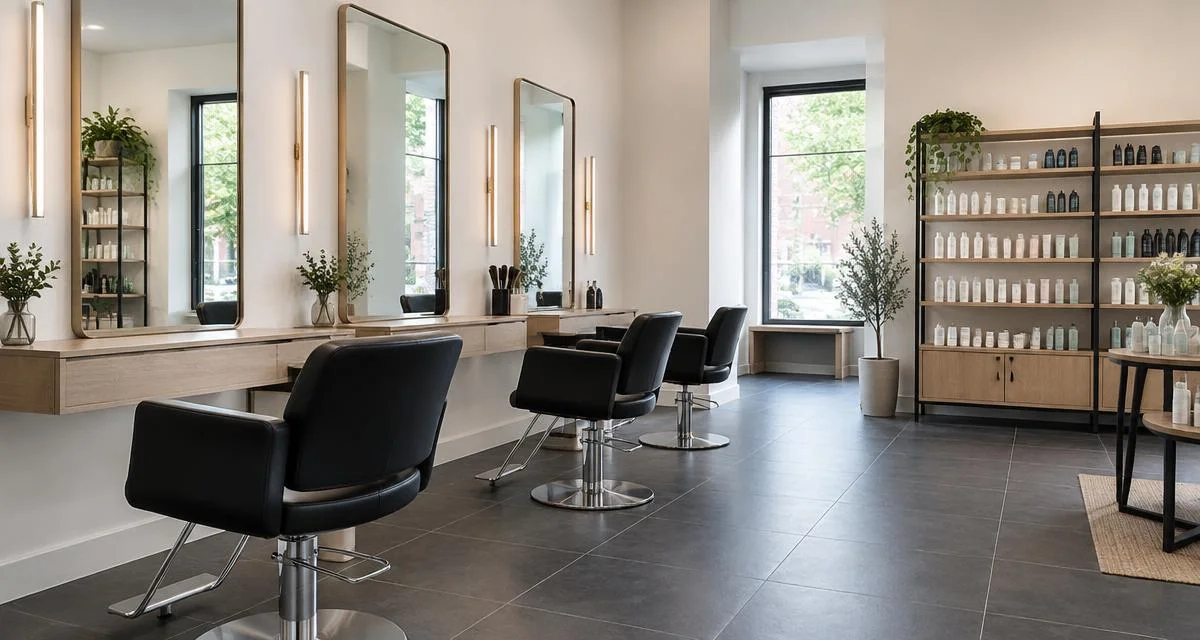
Retail cleaning St. Louis needs a plan for the parts of your business that customers see and staff use throughout the day. Entrances, reception counters, accessible displays, mirrors and floors often need different attention from stockrooms. Salons add styling stations and product storage, which require clear permissions rather than a blanket promise to clean everything.
Plan retail cleaning St. Louis around customer activity
Retail cleaning St. Louis needs a plan for the parts of your business that customers see and staff use throughout the day. Entrances, reception counters, accessible displays, mirrors and floors often need different attention from stockrooms. Salons add styling stations and product storage, which require clear permissions rather than a blanket promise to clean everything.
Prime Cleaning MO LLC cleans retail and salon spaces with commercial scope and pricing confirmed after a free in-person walkthrough. Bring your approximate space size, bathroom count and business hours. Identify customer-facing areas separately from back-of-house rooms so the proposal describes the real space.
Protect displays, products and staff tools
Cleaning around a display is not the same as rearranging inventory. Decide which shelves will be cleared, which items must not be moved and whether staff should prepare stations before service. Secure fragile products and cash-handling areas according to your own business procedures.
For salons, keep professional tool processing and customer-service equipment responsibilities with the authorized staff. General premises cleaning does not automatically include specialized instrument treatment or product handling. Write those boundaries down so a clean station does not become a claim about professional tools.
Explore our commercial & janitorial service and cleaning in St. Louis, MO for property-specific information.
Mirrors, interior glass and accessible surfaces
Mirrors and accessible counters can be discussed as part of the agreed retail or salon scope. Interior window cleaning is a separate optional add-on. Identify the panes, access height and obstructions so the team can confirm what work is practical before pricing.
Do not assume exterior storefront work, high-access glass or specialist residue removal is included with routine cleaning. Show the actual conditions during the walkthrough, especially around adhesive signage or delicate finishes. Confirm any excluded areas rather than asking a cleaner to improvise.
Schedule floors and shared spaces around opening
List tile, sealed hard floors, carpet and entry mats separately. Routine vacuuming or mopping should reflect the floor material and the approved service plan. Specialized floor restoration is not the same service and should not be inferred from routine floor care.
Choose a preferred service window that fits closing, staff departure and the next opening. Discuss restrooms and staff break areas alongside customer spaces. An evening or weekend request still needs confirmation and building access arrangements before it becomes a scheduled visit.
Start with a walkthrough and review the scope
Explain which areas carry the most visible buildup and which are frequently missed. Standard and recurring cleaning are offered only after an initial deep clean; they are not one-time or first-time options. The quote includes the initial deep clean before ongoing maintenance.
Once the proposal is ready, confirm tasks, frequency, supply responsibilities and the person authorized to request changes. This is a more reliable way to plan service than choosing a package solely because it includes the word commercial. Use the scope to compare like-for-like work.